
|
By Mel Paramasivan (TAP Director) and Sam Parfitt (TAP CEO). 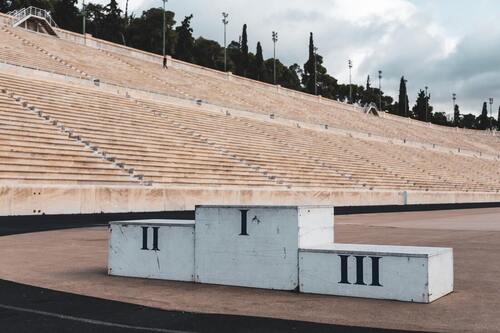 An athlete’s success is traditionally defined by winning, but what if that success also meant victories for justice? Over the past weeks, sportspeople have increasingly used their platforms to speak out and show support for the Black Lives Matter movement and spark conversations about race. It is a time for everyone to reconsider race and anti-racism and is especially important for The True Athlete Project (TAP) as we aim to nurture “humanitarian-athletes” who use their platform for good. We believe that “a true athlete is someone who develops mind and body to help others, and make the world a better place.” However, we are aware that systemic discrimination can affect who takes part in sport, their experience of sport, and the level at which they can play. We are also aware of the lack of diversity in sport administration and the charity sector. There is a long way to go. Levelling the Playing Field As an international organisation founded on a deeply-held belief that “changing the world” is possible, we believe there is a significant need for initiatives which intentionally cultivate compassion and promote a more socially-conscious approach to sport. In a recent project, we helped a community sports centre in Edinburgh develop a “diversity dashboard;” the staff now report to their board every quarter on diversity and inclusion, just as they would report on finances. On our mentoring programs, young athletes work with their mentors to educate themselves on social issues and take concrete steps that aim to make a difference. We want to ensure diversity, equity and advocacy are at the forefront of our conversations and programming. We aim to do this by:
We realise this is a continuous process and we take these immediate steps with open hearts, humility and optimism. We have identified resources you may find helpful, including how to be an ally, reading lists and these books for children and would welcome additional recommendations to share with our team or programme participants. How We See Change TAP was founded by a group of athletes, mindfulness teachers, clinical psychologists and social justice advocates who re-imagined athlete development. We believed it should include deep, emotional work that can not only aid sporting performance, but can also nurture mental wellbeing, and help cultivate a more compassionate society. We have been inspired by humanitarian-athletes like Maya Moore, Arthur Ashe, and Muhammad Ali, who passionately fought for social justice and recognised their athletic achievements represented something far greater than sport. As leaders in bringing mindfulness to sport, we are aware of our responsibility to listen, reflect, act from a place of kindness, and help others to do the same. This will involve the discipline, passion and vulnerability that we have honed through sport. Justice through sport will be the greatest victory athletes can achieve, and we are excited to play our part.
21 Comments
By Laurence Halsted, two-time Olympic fencer, current Performance Director at Danish Fencing, and Co-Director of The True Athlete Project's Global Mentoring Program. I have previously written a mini-series on the role of self-compassion in sport, a skill that is sorely needed when athletes are so often their own harshest critics, beating themselves up for making mistakes and consequently suffering far more than necessary. You can read the first article in that series here. I would like to address another common concern, particularly amongst young athletes. It’s a phenomenon you’ll see playing out in tournaments and practices in every sport, in every country. It may be quite hard to notice at first, but coaches and spectators will soon pick up on it. The athlete they’re watching just doesn’t seem to be giving their fullest effort. It’s not that they’re being outplayed; it’s not that they’re making mistakes; it seems as if they’re purposefully holding back. They’re losing without ever really trying. Understandably, this can be incredibly frustrating to witness from the sidelines. What can possibly be going on? How can an otherwise motivated, ambitious athlete put in a thoroughly sub-standard performance and even lose a match, without having once tried to find a higher gear? The heart of the issue, I propose, is vulnerability. And the answer to this conundrum may be found by unravelling the monumental misconceptions that our culture maintains around this word. So first, what exactly is vulnerability and what is it not? Traditionally, we equate vulnerability with weakness. We imagine an animal vulnerable to attack, and therefore open to being wounded. But whilst it is true that being vulnerable involves a certain kind of openness, physically or more often psychologically, it doesn’t follow that vulnerability is equal to weakness. In fact, embracing vulnerability shows inner strength and integrity. It is courage, it is being brave. This is the misconception that we must address in our culture as a whole but especially in sports’ culture, if we are to unleash more of our athletes’ potential. Let’s unpack the contradiction. Superstar vulnerability researcher, Brené Brown (see her blockbusting TED Talk from 2010), describes vulnerability as the feeling we get during times of uncertainty, risk, or emotional exposure. If you consider a performance of any kind — sport, art, business – each one involves one or more of these elements. Indeed all sporting performances inherently involve uncertainty, as the result is, by definition, unknown. This uncertainty in turn often produces a sense of emotional exposure for the participants who care deeply about that result. And emotional exposure then represents a risk to the ego, as it faces the potential backlash from mistakes or failure. Now consider the athlete in question, holding back from giving their all in a match. In light of this description of vulnerability, it begins to make perfect sense. The ego is trying to protect itself from the risk of an uncertain, emotionally charged situation. If the athlete were to give absolutely everything to the performance and still lose or make mistakes, the emotional backlash could be severe. So instead they protect themselves by not really trying and therefore not putting any significant part of themselves on the line. Justifications after the fact often follow: "I just didn’t care enough" or "I could see straight away I wasn’t going to win" or "I couldn’t find the motivation to work hard". These post-rationalisations, often unconscious, cover over the fact that the athlete simply was not willing to put themselves out there, not willing to be vulnerable. And this is the key point: in order to perform at their best, athletes must embrace vulnerability. They must feel the uncertainty, the risk, of putting their emotions on the line and go out and give everything they have anyway. This is the definition of courage. In fact, courage is not the absence of fear – it is feeling afraid and doing the job anyway! Everyone wants to be courageous, but few make the connection that to be courageous requires you to be vulnerable first. I would say that most young athletes have not fully understood or embraced that connection. So here is the contradiction laid bare: everyone wants to be courageous but no one wants to be vulnerable. One does not come without the other, so athletes who want to reach their potential and meet pressure with courage must be prepared to seek out and embrace moments of vulnerability. Without an understanding of the reality of vulnerability and courage, an athlete will forever be at the mercy of their changing mood and state of mind. Sometimes they will feel confident and able to risk more, and sometimes their ego will recoil from exposure and require greater self-protection. It might seem strange but we should be teaching young athletes how to be courageous. They must understand that it’s not a question about being brave or afraid but that bravery is about feeling afraid, accepting that feeling and moving forward anyway. We need to build awareness around feeling uncomfortable during a performance. Everyone has heard the message about “getting out of your comfort zone” in order to make gains and develop; feeling uncomfortable in a situation is also a prerequisite for being courageous. We can aim to train an action trigger in athletes around that feeling of discomfort. So when the ego has noticed that there is a lot at stake and wants to put up a protective barrier, such as withholding effort, the athlete would instead be cued to see it as an opportunity for courage and step up their efforts. All too often this moment of discomfort goes unnoticed for what it truly is – an essential milestone for peak performance – and the reaction is hijacked by unwanted subconscious forces. Embracing vulnerability offers profound benefits beyond sporting performance, too. Brené Brown identifies vulnerability as the foundation of empathy, creativity, belonging and love. Certainly, if you cannot open yourself up to others, then love and belonging will elude you, and if you are not willing to risk failing then there is no hope of innovation or creativity. As Brown puts it, "If we want greater clarity in our purpose, or deeper and more meaningful lives, vulnerability is the path." When asked to finish the sentence "vulnerability is…", people tend to expose how critical the concept is. How central it is to our so many of our most valuable emotions. Here are some classic responses: Vulnerability is… ● Standing up for myself ● Trying something new ● Asking for help ● Saying no ● Starting my own business ● Sharing something I wrote publicly ● Falling in love ● Saying "I love you" first ● Being accountable ● Asking for forgiveness ● Helping my wife with terminal cancer write her Will These responses could just as well be examples of courage. They show that vulnerability is implicit in taking responsibility, being honest, opening yourself up for great potential loss or gain, showing humanity. If the armour is up and you are protecting yourself from that uncomfortable, vulnerable feeling then all of this is off the table to you. Vulnerability is an area we all could benefit from understanding a little better. If we did, we could make far more of our individual and shared potential. 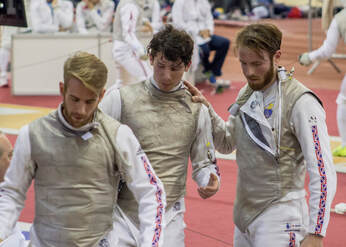 I’ll end with this. The title of Brené Brown’s book on the subject, Daring Greatly, comes from a legendary address by Theodore Roosevelt. This excerpt powerfully illustrates the uncertainty, risk and exposure that is at the heart of leading a life of meaning and courage. "It is not the critic who counts; not the man who points out how the strong man stumbles, or where the doer of deeds could have done them better. The credit belongs to the man who is actually in the arena, whose face is marred by dust and sweat and blood; who strives valiantly; who errs, who comes short again and again, because there is no effort without error and shortcoming; but who does actually strive to do the deeds; who knows great enthusiasms, the great devotions; who spends himself in a worthy cause; who at the best knows in the end the triumph of high achievement, and who at the worst, if he fails, at least fails while daring greatly, so that his place shall never be with those cold and timid souls who neither know victory nor defeat." The Man in the Arena- April 23, 1910  Laurence Halsted is the co-director of The True Athlete Project's Global Mentoring Program. He was a foil fencer who won a silver medallist in the 2008 European Championships and represented Great Britain at the 2012 and 2016 Olympic Games. He is the director of performance at Danish Fencing and has written for The Guardian and The Nation on athlete activism.
Read Laurence's "Of course Trump attacks LeBron" By Laurence Halsted, former Olympic fencer, current Performance Director at Danish Fencing, and Co-Director of The True Athlete Project's Mentoring Program. (Read Part 1 and Part 2 of Laurence's 3-Part Series) Sport in 2018 is not coming close to delivering its potential; not for the participants nor for society as a whole. From grassroots all the way up to the Olympic and elite level, there are valid concerns with how sport is organised and how athletes are trained and treated. Where sport should be an unequivocably positive force for individual physical and mental health, as well as a boon for communities and society in general, it is in fact rife with stress, anxiety, depression, burnout, bullying, discrimination, corruption...The list goes on. Sport has lost its way. It has lost the connection to its true meaning and value. Sportsmanship, fair-play and honour have been demoted in importance by a win-at-all-cost attitude. The driving force is now a cynical business-model approach where the bottom line is results, and we are quick to justify or excuse almost any means to that end. My pet grudge and a clear example of the downgrading of traditional sporting values in the quest for winning is the ubiquity of diving in football. There is no question that this ‘simulation’ that we have been forced to accept as standard practice is plainly and simply, cheating. Cheating that is, at best, tolerated by clubs and fans, and at worst, encouraged by them if it helps the team to win. Any club or coach could easily eradicate this pernicious behaviour from their team if they wanted. Equally, players could decide to live and play by a higher code and refrain. As I see it, those that do refrain achieve something far greater than a free kick or penalty; they win greater respect from the people watching and those playing with them. |


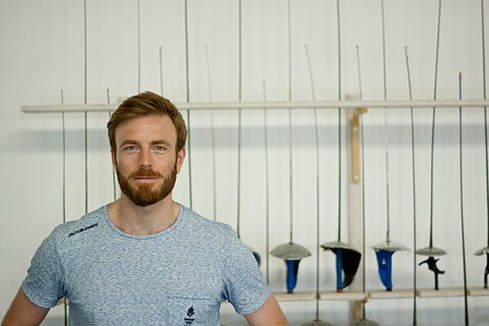 | Laurence Halsted is the co-director of The True Athlete Project's mentoring program. He was a foil fencer who won a silver medallist in the 2008 European Championships and represented Great Britain at the 2012 and 2016 Olympic Games. He is the director of performance at Danish Fencing and has written for The Guardian and The Nation on athlete activism. Read one of Laurence's latest articles here: https://www.theguardian.com/commentisfree/2018/aug/06/trump-lebron-james-nba-star-true-role-model |
By Laurence Halsted, former Olympic fencer, current Performance Director at Danish Fencing, and Co-Director of The True Athlete Project's Mentoring Program.
(Read Part 1 and Part 3 of Laurence's 3-Part Series)
This article is the second in a three-part series about the role of self-compassion in sport. I would recommend that you start with the first article, Self-compassion for Athletes, which describes how self-compassion is a highly effective yet underused mental tool for athletes, to enhance both performance and general well-being.
This article will address the most common misconceptions about self-compassion, which may arise especially in the mind of an athlete or coach encountering the concept for the fist time. This debunking exercise is an important step which will pave the way to wider-spread adoption of self-compassion as an important trait for athletes to adopt.
Let’s start with a short definition of what self-compassion is.
Self-compassion is being open to and aware of one’s own suffering with a desire to alleviate that suffering through warmth, forgiveness and kindness. It involves a non-judgemental understanding of one’s own pain, mistakes and failures, and that sees these experiences from the perspective of being a normal part of the human experience. According to Kristin Neff (2009) high levels of self-compassion are linked with increased feelings of happiness, optimism, curiosity and connectedness as well as decreased anxiety, depression, rumination and fear of failure.
Having read the description above, you might already be forming your own opinion on the value that this kind of approach could have within sport performance and culture. If you haven’t explored the idea of self-compassion before it’s quite likely that one of the following misconceptions form part of your immediate position.
• Self-compassion is soft.
• Self-compassion undermines motivation to work hard and keep improving.
• Self-compassion is self-indulgent.
• Self-compassion is narcissistic or too self-centred.
• It is self-esteem our athletes need, not self-compassion.
Misconceiving self-compassion in this way is fully understandable because our culture of sport has long propagated a directly opposing attitude; that an athlete must suffer after mistakes or losses to show that they truly care, and that coaches must be severe and unforgiving in order to get results. Sport culture does not always openly encourage these perspectives, but it certainly has not done much, and definitely not enough, to disabuse people of them.
Do you recognise any of the following misconceptions?
Self-compassion is soft. It’s mainly for hippies, yoga instructors and Buddhists, not for people who are trying to make it in the tough, real world of sport.
In fact, researchers are finding out that self-compassion helps people to cope and be more resilient at emotionally difficult times. One study gave an indication that lower levels of self-compassion in war veterans were a better predictor of symptoms of PTSD than levels of combat exposure. Similarly, higher scores on the Self-Compassion scale have been associated with healthier physiological responses to stress.
It’s not hard to imagine the kind of inner strength that can come from embracing a solid foundation of acceptance and kindness combined with an understanding that to struggle and fail is an inherent part of the human condition.
It would undermine motivation to work hard and keep improving. If you are fully accepting of who you are now then you won’t be motivated to develop and change.
The weight of research has shown the exact opposite; that the motivation derived from a base of self-compassion is just as effective and indeed much healthier than a motivation based on self-criticism and dissatisfaction with the current state. As was pointed out in the previous article the self-critical approach to motivation derives its power from a desire to avoid the backlash that comes from failure, essentially from fear. Self-compassion takes away that fear and replaces it with a desire to drive toward self-improvement simply because we care about being the best version of ourselves. This is the classic Hollywood battle of Love vs Fear; both sides can muster great power but there is only one side you would ever want to be on, and for sure only one side we would ever want to lead our young athletes into.
Self-compassionate people have been shown to have less fear of failure and also when they do fail are more likely to try again. Since these people are more able to admit their own mistakes and inadequacies, they are better able to embrace accountability for their actions and own the responsibility for making the necessary changes. This is precisely the kind of mindset we want to instil in young athletes, so it’s about time we adopted a more enlightened approach to training them for this outcome.
As the final nail in this argument, Neff and her colleagues also found that self-compassion was positively associated with mastery focussed goals and negatively associated to result focussed goals. In sport we always highlight the importance of focus on the process, not the result. It is clear that self-compassion is highly aligned with, and supportive of that message.
Self-compassion is self-indulgent. An athlete who feels compassion for herself will be more likely to indulge in unhealthy behaviours and less likely to practice discipline.
This is a fundamental misunderstanding of terms.
Self-indulgence is all about having what you want now regardless of the long-term consequences. Self-compassion is about alleviating suffering, not just in the short-term but ongoing. Well-being often requires foregoing pleasure in the present in order to benefit the future self, as in activities such as exercise and healthy eating. So a self-compassionate person would more likely avoid the indulgent behaviours in order to improve their overall, long-term well-being.
A compassionate coach would not allow their athletes to skip training and eat whatever they liked. A compassionate coach would encourage hard work and discipline since they will more likely lead to the players becoming better people and athletes.
It is therefore not strange that research shows that self-compassion is linked with healthier living, including quitting smoking and reduced alcohol intake. Women who exhibit self-compassion have been shown to be more intrinsically motivated to exercise, and that their motivation stems more from health than ego concerns.
Self-compassion is narcissistic or too self-centred. Self-compassion puts the self first, so the self-compassionate person will probably be a bad teammate.
On the contrary, self-compassion is not concerned with positive evaluations of one’s own abilities or qualities. It only comes into play at times of pain or suffering. In fact, the self-compassionate person is far more likely to recognise their similarity to all other members of the human species than they are to vainly highlight the ways they are different or better than others. If anything, this recognition of our common humanity naturally leads us to adopt a humbler attitude to life.
Furthermore, becoming more self-compassionate has the valuable effect of also making us more outwardly compassionate. Bringing a positive energy to our own inner world means less stress and anxiety and more energetic space, awareness and empathy for others who are suffering. Just as Gandhi said- “Be the change you want to see in the world”. If we want to bring more warmth and kindness to our interaction with the outer world, we must start by bringing it to the inner one first. This interplay of compassions has important and far reaching implications for our wider sport culture, which I will focus on in the next article, A more compassionate culture of sport.
It is self-esteem our athletes need, not self-compassion. People with good self-esteem are happier — they love their bodies and believe in themselves. Self-esteem is like self-compassion, but better.
It is relevant here to address the similarities and differences between self-compassion and self-esteem. Self-esteem has historically been synonymous with mental well-being, and in fact is associated with happiness and life satisfaction as well as less anxiety and depression, but the issues arise not so much with having self-esteem but in getting and maintaining it.
Overall self-esteem is often associated with qualities or results such as physical appearance, athletic or work performance or popularity. This type of self-esteem can be transient and unstable, only reflecting the latest success or failure, rather than being rooted in a deep sense of identity and self-worth.
Self-esteem has also been associated with the self enhancement bias, where people rate themselves to be better than others on scales such as physical appearance, intelligence or popularity, in order to feel good about themselves. This tendency to create self-worth by highlighting our superiority over others, often deludedly, creates a separation between us and leads to a lesser feeling of connectedness. It is no surprise then that self-esteem is strongly linked to narcissism. Narcissists have puffed-up, unrealistic image of themselves which gives them a feeling of entitlement and also makes them react badly when their egos are challenged. Narcissism is therefore clearly at odds with the kind of honest self-assessment that is required for athletic development.
It should be pointed out that it is possible to have self-esteem which is non-egoistic, non-narcissistic, stable and healthy but it is not yet clear what are the causes of this type of self-esteem vs the less healthy type.
Kristin Neff (2011) argues that self-compassion offers many of the same benefits as self-esteem but without any of the potential downsides.
Both offer a sense of self-worth, which is vital for thriving in life and in sporting endeavour, but self-compassion offers it from a place of acceptance and security whereas self-esteem harnesses feelings of superiority and achievement.
In the volatile and unpredictable world of competitive sport it would be highly beneficial to base one’s sense of self-worth on something more stable than performance comparisons with others and achievement. Self-compassion offers just that.
The Role of Self-Compassion in Development: a Healthier Way to Relate to Oneself, 2009, Kristin Neff
http://self-compassion.org/wp-content/uploads/publications/human-development.pdf
Self-Compassion, Self-Esteem and Well-Being, 2011, Kristin Neff
http://self-compassion.org/wp-content/uploads/2015/12/SC.SE_.Well-being.pdf
Self-Compassion Versus Global Self-Esteem: Two Different Ways of Relating to Oneself, 2009, Neff & Vonk.
http://self-compassion.org/wp-content/uploads/publications/NeffVonk.pdf
Get In Touch!
If you are an elite or former elite athlete and find resonance with this type of self-compassionate approach in your sporting experience, I would love to hear from you about your experience. Please contact me at:
[email protected]
(Read Part 1 and Part 3 of Laurence's 3-Part Series)
This article is the second in a three-part series about the role of self-compassion in sport. I would recommend that you start with the first article, Self-compassion for Athletes, which describes how self-compassion is a highly effective yet underused mental tool for athletes, to enhance both performance and general well-being.
This article will address the most common misconceptions about self-compassion, which may arise especially in the mind of an athlete or coach encountering the concept for the fist time. This debunking exercise is an important step which will pave the way to wider-spread adoption of self-compassion as an important trait for athletes to adopt.
Let’s start with a short definition of what self-compassion is.
Self-compassion is being open to and aware of one’s own suffering with a desire to alleviate that suffering through warmth, forgiveness and kindness. It involves a non-judgemental understanding of one’s own pain, mistakes and failures, and that sees these experiences from the perspective of being a normal part of the human experience. According to Kristin Neff (2009) high levels of self-compassion are linked with increased feelings of happiness, optimism, curiosity and connectedness as well as decreased anxiety, depression, rumination and fear of failure.
Having read the description above, you might already be forming your own opinion on the value that this kind of approach could have within sport performance and culture. If you haven’t explored the idea of self-compassion before it’s quite likely that one of the following misconceptions form part of your immediate position.
• Self-compassion is soft.
• Self-compassion undermines motivation to work hard and keep improving.
• Self-compassion is self-indulgent.
• Self-compassion is narcissistic or too self-centred.
• It is self-esteem our athletes need, not self-compassion.
Misconceiving self-compassion in this way is fully understandable because our culture of sport has long propagated a directly opposing attitude; that an athlete must suffer after mistakes or losses to show that they truly care, and that coaches must be severe and unforgiving in order to get results. Sport culture does not always openly encourage these perspectives, but it certainly has not done much, and definitely not enough, to disabuse people of them.
Do you recognise any of the following misconceptions?
Self-compassion is soft. It’s mainly for hippies, yoga instructors and Buddhists, not for people who are trying to make it in the tough, real world of sport.
In fact, researchers are finding out that self-compassion helps people to cope and be more resilient at emotionally difficult times. One study gave an indication that lower levels of self-compassion in war veterans were a better predictor of symptoms of PTSD than levels of combat exposure. Similarly, higher scores on the Self-Compassion scale have been associated with healthier physiological responses to stress.
It’s not hard to imagine the kind of inner strength that can come from embracing a solid foundation of acceptance and kindness combined with an understanding that to struggle and fail is an inherent part of the human condition.
It would undermine motivation to work hard and keep improving. If you are fully accepting of who you are now then you won’t be motivated to develop and change.
The weight of research has shown the exact opposite; that the motivation derived from a base of self-compassion is just as effective and indeed much healthier than a motivation based on self-criticism and dissatisfaction with the current state. As was pointed out in the previous article the self-critical approach to motivation derives its power from a desire to avoid the backlash that comes from failure, essentially from fear. Self-compassion takes away that fear and replaces it with a desire to drive toward self-improvement simply because we care about being the best version of ourselves. This is the classic Hollywood battle of Love vs Fear; both sides can muster great power but there is only one side you would ever want to be on, and for sure only one side we would ever want to lead our young athletes into.
Self-compassionate people have been shown to have less fear of failure and also when they do fail are more likely to try again. Since these people are more able to admit their own mistakes and inadequacies, they are better able to embrace accountability for their actions and own the responsibility for making the necessary changes. This is precisely the kind of mindset we want to instil in young athletes, so it’s about time we adopted a more enlightened approach to training them for this outcome.
As the final nail in this argument, Neff and her colleagues also found that self-compassion was positively associated with mastery focussed goals and negatively associated to result focussed goals. In sport we always highlight the importance of focus on the process, not the result. It is clear that self-compassion is highly aligned with, and supportive of that message.
Self-compassion is self-indulgent. An athlete who feels compassion for herself will be more likely to indulge in unhealthy behaviours and less likely to practice discipline.
This is a fundamental misunderstanding of terms.
Self-indulgence is all about having what you want now regardless of the long-term consequences. Self-compassion is about alleviating suffering, not just in the short-term but ongoing. Well-being often requires foregoing pleasure in the present in order to benefit the future self, as in activities such as exercise and healthy eating. So a self-compassionate person would more likely avoid the indulgent behaviours in order to improve their overall, long-term well-being.
A compassionate coach would not allow their athletes to skip training and eat whatever they liked. A compassionate coach would encourage hard work and discipline since they will more likely lead to the players becoming better people and athletes.
It is therefore not strange that research shows that self-compassion is linked with healthier living, including quitting smoking and reduced alcohol intake. Women who exhibit self-compassion have been shown to be more intrinsically motivated to exercise, and that their motivation stems more from health than ego concerns.
Self-compassion is narcissistic or too self-centred. Self-compassion puts the self first, so the self-compassionate person will probably be a bad teammate.
On the contrary, self-compassion is not concerned with positive evaluations of one’s own abilities or qualities. It only comes into play at times of pain or suffering. In fact, the self-compassionate person is far more likely to recognise their similarity to all other members of the human species than they are to vainly highlight the ways they are different or better than others. If anything, this recognition of our common humanity naturally leads us to adopt a humbler attitude to life.
Furthermore, becoming more self-compassionate has the valuable effect of also making us more outwardly compassionate. Bringing a positive energy to our own inner world means less stress and anxiety and more energetic space, awareness and empathy for others who are suffering. Just as Gandhi said- “Be the change you want to see in the world”. If we want to bring more warmth and kindness to our interaction with the outer world, we must start by bringing it to the inner one first. This interplay of compassions has important and far reaching implications for our wider sport culture, which I will focus on in the next article, A more compassionate culture of sport.
It is self-esteem our athletes need, not self-compassion. People with good self-esteem are happier — they love their bodies and believe in themselves. Self-esteem is like self-compassion, but better.
It is relevant here to address the similarities and differences between self-compassion and self-esteem. Self-esteem has historically been synonymous with mental well-being, and in fact is associated with happiness and life satisfaction as well as less anxiety and depression, but the issues arise not so much with having self-esteem but in getting and maintaining it.
Overall self-esteem is often associated with qualities or results such as physical appearance, athletic or work performance or popularity. This type of self-esteem can be transient and unstable, only reflecting the latest success or failure, rather than being rooted in a deep sense of identity and self-worth.
Self-esteem has also been associated with the self enhancement bias, where people rate themselves to be better than others on scales such as physical appearance, intelligence or popularity, in order to feel good about themselves. This tendency to create self-worth by highlighting our superiority over others, often deludedly, creates a separation between us and leads to a lesser feeling of connectedness. It is no surprise then that self-esteem is strongly linked to narcissism. Narcissists have puffed-up, unrealistic image of themselves which gives them a feeling of entitlement and also makes them react badly when their egos are challenged. Narcissism is therefore clearly at odds with the kind of honest self-assessment that is required for athletic development.
It should be pointed out that it is possible to have self-esteem which is non-egoistic, non-narcissistic, stable and healthy but it is not yet clear what are the causes of this type of self-esteem vs the less healthy type.
Kristin Neff (2011) argues that self-compassion offers many of the same benefits as self-esteem but without any of the potential downsides.
Both offer a sense of self-worth, which is vital for thriving in life and in sporting endeavour, but self-compassion offers it from a place of acceptance and security whereas self-esteem harnesses feelings of superiority and achievement.
In the volatile and unpredictable world of competitive sport it would be highly beneficial to base one’s sense of self-worth on something more stable than performance comparisons with others and achievement. Self-compassion offers just that.
The Role of Self-Compassion in Development: a Healthier Way to Relate to Oneself, 2009, Kristin Neff
http://self-compassion.org/wp-content/uploads/publications/human-development.pdf
Self-Compassion, Self-Esteem and Well-Being, 2011, Kristin Neff
http://self-compassion.org/wp-content/uploads/2015/12/SC.SE_.Well-being.pdf
Self-Compassion Versus Global Self-Esteem: Two Different Ways of Relating to Oneself, 2009, Neff & Vonk.
http://self-compassion.org/wp-content/uploads/publications/NeffVonk.pdf
Get In Touch!
If you are an elite or former elite athlete and find resonance with this type of self-compassionate approach in your sporting experience, I would love to hear from you about your experience. Please contact me at:
[email protected]

Laurence Halsted is the co-director of The True Athlete Project's mentoring program. He was a foil fencer who won a silver medallist in the 2008 European Championships and represented Great Britain at the 2012 and 2016 Olympic Games. He is the director of performance at Danish Fencing and has written for The Guardian and The Nation on athlete activism.
Read one of Laurence's latest articles here:
https://www.theguardian.com/commentisfree/2018/aug/06/trump-lebron-james-nba-star-true-role-model
Read one of Laurence's latest articles here:
https://www.theguardian.com/commentisfree/2018/aug/06/trump-lebron-james-nba-star-true-role-model
By Laurence Halsted, former Olympic fencer, current Performance Director at Danish Fencing, and Co-Director of The True Athlete Project's Mentoring Program.
(Read Part 2 and Part 3 of Laurence's 3-Part Series)
Self-compassion training would help athletes focus better on their performance, gain a healthier relationship to their sport and improve their general well-being. If we trained all our athletes in self-compassion, we would have a generation of much more balanced and outwardly compassionate people who were motivated more for the love of self-improvement rather than fear of self-criticism.
If you work on the ground level with competitive athletes you will probably experience that one of the most common mental issues, from youth levels all the way up to senior elite, is the harmful effect of negative emotions that arise from mistakes, disappointments or frustration about performances.
Athletes all too commonly beat themselves up for making mistakes or disappointing results, and that in turn takes a psychological toll, potentially affecting following performances. They also tend to be their own worst critics, much harsher on themselves than they would be to a teammate in the same position. Athletes think that they need to feel this way, that their capacity to criticise themselves is an integral part of why they are successful at their sport. They rationalise that it forces them to work harder because they ‘hate losing so much’ and they can’t be satisfied with anything less than perfect. Underneath this rationalisation is the worry that if they didn’t feel awful after making mistakes or losing, that would mean they don’t care enough to perform well. I should know, having had that exact mindset for much of my sports career. I used to take losing deeply to heart. At the same time I almost welcomed the pain, because it showed how much I cared and how much I wanted to be better.
This mindset is often accepted and even appreciated in sport culture- the consummate professional athlete, always striving, never satisfied, unaccepting of anything less than perfect. But it is based on a fallacy, and one that is creating a huge amount of damage to individual athletes’ well-being and to their performances and on top of that is limiting sport from reaching its true potential in the world.
The power of those negative emotions can be motivating, but it is a motivation based on fear and a desire to avoid the inevitable backlash and self-judgement that comes from failure. It is far more often distracting from the process of performance than it is beneficial. If we truly want our athletes to be able to stay focused and calm under pressure then it doesn’t make sense that we allow them to continue to beat themselves up if things don’t go well.
Some athletes can train themselves to master that fear and go on to great things, but vastly more will quit or burnout early in their careers because the mental-emotional toll is just too great. The fact that those people do not want to put up with such consistent and negative self-judgement should not mean that they must leave competitive sport for good. Especially because there is a better path to follow, one that can make for a much healthier relationship between an athlete and their own performance and that can also lead to improve the performance itself. I am grateful to have been shown this alternate path whilst still in the throes of my own athletic career, and I can testify to the vast improvement that comes with it, both as an athlete and as a person.
The basis of this approach is in training self-compassion, to be used at moments of suffering such as there are many in competitive sport. At its heart, self-compassion is about treating yourself with the same kindness that you would a close friend, to be forgiving, understanding and sympathetic, and to recognise that inadequacy and making mistakes is part of the human condition. It would be like having an inner dialogue that resembles a combination of a kindly coach and your closest teammate. They would be endlessly encouraging and forgiving, because they want you to do your best but they don’t want you to suffer needlessly. Of course, you don’t deserve to suffer simply for missing a shot or losing a match. For many athletes it’s easy to play the forgiving teammate role, because deep down they know that’s how they will get the best from their teammate, but it becomes much harder to play that role for themselves. This holds true for much of the general population, especially in the west, where kindness to friends, family or neighbours is highly valued but kindness to oneself is perceived as selfish, narcissistic or too soft.
Self-Compassion as a trait has been shown to pay off dividends in terms of psychological well-being and it is ideally suited to creating a healthier sport culture whilst helping athletes perform better at the same time. Research into self-compassion gained momentum around 2004, with researchers describing it as being made up of three parts which combine to make for a more balanced, healthy approach to life’s struggles. These three parts are:
Self-kindness- Essentially treating yourself as you would a good friend. Instead of having a critical or disparaging inner dialogue, we offer ourselves warmth and acceptance.
Common Humanity- Recognising that mistakes and inadequacy are common to all human beings. We are all flawed in our own ways but often when considering our own shortcomings and struggles we tend to feel isolated whilst thinking that everyone else is doing just fine. It’s much more comforting, and logical to recognise that everyone is in the same boat, and that life’s challenges and personal failures are all part of what it means to be human.
Mindfulness- This is about being aware in the present moment, with balance and without judgement of what is happening in your mind. Mindfulness is essential to self-compassion because you must first become aware that you are suffering in order to help yourself. A key part of mindfulness is not to be swept away by your thoughts and emotions but to simply notice them. When you over-identify with a thought or emotion it goes without saying that you are not in a balanced place from which to consider how you want to react to it, you are not mindful but instead are caught up in your minds’ tumult.
Let’s consider these concepts and explore how they relate back to sport.
Self-kindness
Self-kindness has such powerful implications for athletes, but at the same time is almost an alien concept to many. I would even go as far as saying that self-kindness is one of the most under-rated mental tools available to athletes. Sport culture teaches all too often that it’s good to be hard on yourself, to be self-critical to the extreme until you have reached your goals. What follows from that logic is that self-kindness, forgiveness, acceptance will undermine your motivation to reach your goals. I will go into more detail about the myths and misunderstandings around self-compassion in the second article in this series, but for now I will point out the glaring reality that seems to be hidden from view to many.
When self-criticism does succeed to motivate, it is born from a desire to avoid the harsh self-judgement that follows an unsatisfactory performance. Essentially it is born from fear. But when we fear the consequences of failure we inhibit our ability to push our limits, take risks and even our willingness to try in the first place.
Using self-kindness to eliminate those fears, gives us motivation simply and powerfully, because we care. We want the best for ourselves, to be our best selves, and to do things that will make us happier, better people such as taking on challenges and learning new skills. This is motivation born from love.
Research has shown that people who are kinder to themselves have less fear of failure, and when they do fail are more likely to try again. This would make sense because self-compassion requires that we be aware of our weaknesses but without attaching judgement, which provides a solid, positive foundation to work to improve on them.
To conceptualise these two different approaches, you can call to mind two different coaches. One is ruthlessly critical when their athletes or team messes up, puts them down and constantly highlights their failings. The other is the compassionate coach, who reassures their players that it is human to make mistakes, keeps the focus on how they can improve on their weaknesses, and gives them the support to work on those goals without fear of reproach. Now think about which coach will most likely get the most out of their players and equally importantly which coach athletes would most want to work with.
It is the compassionate coach’s voice that we want to implant into the minds of our athletes, to give them a healthy and stable psychological foundation from which to build. This would also have significant knock-on effects for the culture of sport, stemming from the wisdom and generosity of compassion training, which I will arrive at in article three of the series.
Common Humanity
Gaining a greater sense of common humanity brings with it a broader perspective which helps to put a sport performance in a more appropriate context. Athletes under pressure can get trapped in a mindset that feels like the whole world hangs in the balance: often described as catastrophic thinking. All sport is a game, and though there can be lots of money involved and it is a livelihood for many, it’s vitally important, for performance and general well-being to be able to keep things in a healthy perspective. The idea that ‘we are all in the same boat, battling the waves of human existence together’ is much more comforting and motivating than thinking we are each an island with our own, unique troubles.
Creating more awareness of our common experience can also help athletes develop respect for their teammates and competitors. Far preferable to the old adage of ‘us against them’ is the idea that we com-pete, i.e. strive together, and push each other to be the best we can be.
A great example of this type of approach is in the story of a Taekwondo coach I know, who, at the top of his game, lost a close fight to a rival in a world championships. In the embrace afterwards, his opponent told him ‘thank you for giving me this opportunity’. This fighter understood that to achieve his own potential he needed someone equally strong to push him to achieve it.
Mindfulness
Mindfulness has been used by elite athletes for over 40 years to gain more control over their minds and therefore their reactions at emotionally charged moments. Mindfulness training is particularly effective for creating calmness in times of need and for detaching from the power of negative or distracting emotions. It is also increasingly being recognised for its connection to the experience of flow or being in the zone, as both require an all-encompassing present-focus. Thousands of years of experience has shown us very clearly that you can indeed train your brain to be more present and aware, and the implications of this for sport performance are enormous.
Considering the vital role of mindfulness in enhancing self-compassion on top of the benefits above, it is a wonder that it is not already a more established part of athlete development culture.
I am sure that many of you reading right now are of the opinion that this all sounds nice, but it’s missing the cutting edge that athletes need to succeed. Self-compassion is clearly a good thing to strive for, but its place is in Buddhist retreats rather than elite training camps.
These are among the most common misunderstandings surrounding self-compassion that I will address in the next article in this mini-series. In the west we are much more familiar with the importance of being kind to others than we are with being kind to ourselves. It’s important, then, to get to grips with what it means to be self-compassionate and especially to understand the basis of any misconceptions we may have.
If you want to know more about self-compassion and the research, a good starting place is Dr Kristin Neff’s website:
http://self-compassion.org/
Or this excellent and thorough introductory article by Kristin Neff and Christopher Germer:
Self-Compassion and Psychological Well-being
http://self-compassion.org/wp-content/uploads/2017/09/Neff.Germer.2017.pdf
Get in Touch!
If you are an elite or former elite athlete and find resonance with this type of self-compassionate approach in your sporting experience, I would love to hear from you about your experience. Please contact me at:
[email protected]
(Read Part 2 and Part 3 of Laurence's 3-Part Series)
Self-compassion training would help athletes focus better on their performance, gain a healthier relationship to their sport and improve their general well-being. If we trained all our athletes in self-compassion, we would have a generation of much more balanced and outwardly compassionate people who were motivated more for the love of self-improvement rather than fear of self-criticism.
If you work on the ground level with competitive athletes you will probably experience that one of the most common mental issues, from youth levels all the way up to senior elite, is the harmful effect of negative emotions that arise from mistakes, disappointments or frustration about performances.
Athletes all too commonly beat themselves up for making mistakes or disappointing results, and that in turn takes a psychological toll, potentially affecting following performances. They also tend to be their own worst critics, much harsher on themselves than they would be to a teammate in the same position. Athletes think that they need to feel this way, that their capacity to criticise themselves is an integral part of why they are successful at their sport. They rationalise that it forces them to work harder because they ‘hate losing so much’ and they can’t be satisfied with anything less than perfect. Underneath this rationalisation is the worry that if they didn’t feel awful after making mistakes or losing, that would mean they don’t care enough to perform well. I should know, having had that exact mindset for much of my sports career. I used to take losing deeply to heart. At the same time I almost welcomed the pain, because it showed how much I cared and how much I wanted to be better.
This mindset is often accepted and even appreciated in sport culture- the consummate professional athlete, always striving, never satisfied, unaccepting of anything less than perfect. But it is based on a fallacy, and one that is creating a huge amount of damage to individual athletes’ well-being and to their performances and on top of that is limiting sport from reaching its true potential in the world.
The power of those negative emotions can be motivating, but it is a motivation based on fear and a desire to avoid the inevitable backlash and self-judgement that comes from failure. It is far more often distracting from the process of performance than it is beneficial. If we truly want our athletes to be able to stay focused and calm under pressure then it doesn’t make sense that we allow them to continue to beat themselves up if things don’t go well.
Some athletes can train themselves to master that fear and go on to great things, but vastly more will quit or burnout early in their careers because the mental-emotional toll is just too great. The fact that those people do not want to put up with such consistent and negative self-judgement should not mean that they must leave competitive sport for good. Especially because there is a better path to follow, one that can make for a much healthier relationship between an athlete and their own performance and that can also lead to improve the performance itself. I am grateful to have been shown this alternate path whilst still in the throes of my own athletic career, and I can testify to the vast improvement that comes with it, both as an athlete and as a person.
The basis of this approach is in training self-compassion, to be used at moments of suffering such as there are many in competitive sport. At its heart, self-compassion is about treating yourself with the same kindness that you would a close friend, to be forgiving, understanding and sympathetic, and to recognise that inadequacy and making mistakes is part of the human condition. It would be like having an inner dialogue that resembles a combination of a kindly coach and your closest teammate. They would be endlessly encouraging and forgiving, because they want you to do your best but they don’t want you to suffer needlessly. Of course, you don’t deserve to suffer simply for missing a shot or losing a match. For many athletes it’s easy to play the forgiving teammate role, because deep down they know that’s how they will get the best from their teammate, but it becomes much harder to play that role for themselves. This holds true for much of the general population, especially in the west, where kindness to friends, family or neighbours is highly valued but kindness to oneself is perceived as selfish, narcissistic or too soft.
Self-Compassion as a trait has been shown to pay off dividends in terms of psychological well-being and it is ideally suited to creating a healthier sport culture whilst helping athletes perform better at the same time. Research into self-compassion gained momentum around 2004, with researchers describing it as being made up of three parts which combine to make for a more balanced, healthy approach to life’s struggles. These three parts are:
Self-kindness- Essentially treating yourself as you would a good friend. Instead of having a critical or disparaging inner dialogue, we offer ourselves warmth and acceptance.
Common Humanity- Recognising that mistakes and inadequacy are common to all human beings. We are all flawed in our own ways but often when considering our own shortcomings and struggles we tend to feel isolated whilst thinking that everyone else is doing just fine. It’s much more comforting, and logical to recognise that everyone is in the same boat, and that life’s challenges and personal failures are all part of what it means to be human.
Mindfulness- This is about being aware in the present moment, with balance and without judgement of what is happening in your mind. Mindfulness is essential to self-compassion because you must first become aware that you are suffering in order to help yourself. A key part of mindfulness is not to be swept away by your thoughts and emotions but to simply notice them. When you over-identify with a thought or emotion it goes without saying that you are not in a balanced place from which to consider how you want to react to it, you are not mindful but instead are caught up in your minds’ tumult.
Let’s consider these concepts and explore how they relate back to sport.
Self-kindness
Self-kindness has such powerful implications for athletes, but at the same time is almost an alien concept to many. I would even go as far as saying that self-kindness is one of the most under-rated mental tools available to athletes. Sport culture teaches all too often that it’s good to be hard on yourself, to be self-critical to the extreme until you have reached your goals. What follows from that logic is that self-kindness, forgiveness, acceptance will undermine your motivation to reach your goals. I will go into more detail about the myths and misunderstandings around self-compassion in the second article in this series, but for now I will point out the glaring reality that seems to be hidden from view to many.
When self-criticism does succeed to motivate, it is born from a desire to avoid the harsh self-judgement that follows an unsatisfactory performance. Essentially it is born from fear. But when we fear the consequences of failure we inhibit our ability to push our limits, take risks and even our willingness to try in the first place.
Using self-kindness to eliminate those fears, gives us motivation simply and powerfully, because we care. We want the best for ourselves, to be our best selves, and to do things that will make us happier, better people such as taking on challenges and learning new skills. This is motivation born from love.
Research has shown that people who are kinder to themselves have less fear of failure, and when they do fail are more likely to try again. This would make sense because self-compassion requires that we be aware of our weaknesses but without attaching judgement, which provides a solid, positive foundation to work to improve on them.
To conceptualise these two different approaches, you can call to mind two different coaches. One is ruthlessly critical when their athletes or team messes up, puts them down and constantly highlights their failings. The other is the compassionate coach, who reassures their players that it is human to make mistakes, keeps the focus on how they can improve on their weaknesses, and gives them the support to work on those goals without fear of reproach. Now think about which coach will most likely get the most out of their players and equally importantly which coach athletes would most want to work with.
It is the compassionate coach’s voice that we want to implant into the minds of our athletes, to give them a healthy and stable psychological foundation from which to build. This would also have significant knock-on effects for the culture of sport, stemming from the wisdom and generosity of compassion training, which I will arrive at in article three of the series.
Common Humanity
Gaining a greater sense of common humanity brings with it a broader perspective which helps to put a sport performance in a more appropriate context. Athletes under pressure can get trapped in a mindset that feels like the whole world hangs in the balance: often described as catastrophic thinking. All sport is a game, and though there can be lots of money involved and it is a livelihood for many, it’s vitally important, for performance and general well-being to be able to keep things in a healthy perspective. The idea that ‘we are all in the same boat, battling the waves of human existence together’ is much more comforting and motivating than thinking we are each an island with our own, unique troubles.
Creating more awareness of our common experience can also help athletes develop respect for their teammates and competitors. Far preferable to the old adage of ‘us against them’ is the idea that we com-pete, i.e. strive together, and push each other to be the best we can be.
A great example of this type of approach is in the story of a Taekwondo coach I know, who, at the top of his game, lost a close fight to a rival in a world championships. In the embrace afterwards, his opponent told him ‘thank you for giving me this opportunity’. This fighter understood that to achieve his own potential he needed someone equally strong to push him to achieve it.
Mindfulness
Mindfulness has been used by elite athletes for over 40 years to gain more control over their minds and therefore their reactions at emotionally charged moments. Mindfulness training is particularly effective for creating calmness in times of need and for detaching from the power of negative or distracting emotions. It is also increasingly being recognised for its connection to the experience of flow or being in the zone, as both require an all-encompassing present-focus. Thousands of years of experience has shown us very clearly that you can indeed train your brain to be more present and aware, and the implications of this for sport performance are enormous.
Considering the vital role of mindfulness in enhancing self-compassion on top of the benefits above, it is a wonder that it is not already a more established part of athlete development culture.
I am sure that many of you reading right now are of the opinion that this all sounds nice, but it’s missing the cutting edge that athletes need to succeed. Self-compassion is clearly a good thing to strive for, but its place is in Buddhist retreats rather than elite training camps.
These are among the most common misunderstandings surrounding self-compassion that I will address in the next article in this mini-series. In the west we are much more familiar with the importance of being kind to others than we are with being kind to ourselves. It’s important, then, to get to grips with what it means to be self-compassionate and especially to understand the basis of any misconceptions we may have.
If you want to know more about self-compassion and the research, a good starting place is Dr Kristin Neff’s website:
http://self-compassion.org/
Or this excellent and thorough introductory article by Kristin Neff and Christopher Germer:
Self-Compassion and Psychological Well-being
http://self-compassion.org/wp-content/uploads/2017/09/Neff.Germer.2017.pdf
Get in Touch!
If you are an elite or former elite athlete and find resonance with this type of self-compassionate approach in your sporting experience, I would love to hear from you about your experience. Please contact me at:
[email protected]

Laurence Halsted is the co-director of The True Athlete Project's mentoring program. He was a foil fencer who won a silver medallist in the 2008 European Championships and represented Great Britain at the 2012 and 2016 Olympic Games. He is the director of performance at Danish Fencing and has written for The Guardian and The Nation on athlete activism.
Read one of Laurence's latest articles here:
https://www.theguardian.com/commentisfree/2018/aug/06/trump-lebron-james-nba-star-true-role-model
Read one of Laurence's latest articles here:
https://www.theguardian.com/commentisfree/2018/aug/06/trump-lebron-james-nba-star-true-role-model
By Anna Bentley-Ward, British Olympic fencer.
I completed my first Parkrun (a free, weekly, timed 5k run) in 2015, a year after I gave birth to my first baby. It turns out Olympians aren’t immune to experiencing the challenges of new motherhood so my local, hilly Parkrun quickly became an important mental and physical escape from the relentlessness of being a new mum. Running therefore had one important purpose – to make me feel like myself again.
Recently, I have become involved with The True Athlete Project (TAP), an organisation which promotes a more compassionate society through the power of sport. As a mentor, I draw on my experiences as a former World Class athlete to help aspiring sports people improve their athletic performance, support their well-being and encourage them to use the power of sport to give back to their community. I felt strongly that I too wanted to make a positive contribution in my neighbourhood, so I volunteered to become a Parkrun Guide Runner.
At my local Parkrun, there is a small group of Visually Impaired (V.I) runners, one of whom I used to keep pace with when he was fully sighted. Their stories of adversity and how they continue to overcome that adversity every day is truly inspiring.
My guide running debut was with Malachy, a local runner who despite only being able to see shadow and some contrast has managed to complete an incredible 116 Parkruns (and counting). As a former athlete I am accustomed to preparing very meticulously before performances so I was a little surprised to learn that there was no formal training offered before my first guide run!
Walking to the start line on that first Saturday with Malachy, I felt an incredible sense of pressure and responsibility to guide him safely round the course. I was pretty nervous about him tripping, crashing or falling, so I directed our conversation to agreeing the phrases I would use to count down the corners and how to (sometimes not so politely) tell other runners to move out of our way (turns out this isn’t so easy when someone is wearing headphones!). Malachy also told me that he wanted to start at the very front so that the fast runners passed us quickly and we stayed ahead of the mass. It was quite daunting to be standing next to the sub 20 minute runners when the gun went off, but he was absolutely right – it is the safest place for him to be when surrounded by 180 other Parkrunners.
I completed my first Parkrun (a free, weekly, timed 5k run) in 2015, a year after I gave birth to my first baby. It turns out Olympians aren’t immune to experiencing the challenges of new motherhood so my local, hilly Parkrun quickly became an important mental and physical escape from the relentlessness of being a new mum. Running therefore had one important purpose – to make me feel like myself again.
Recently, I have become involved with The True Athlete Project (TAP), an organisation which promotes a more compassionate society through the power of sport. As a mentor, I draw on my experiences as a former World Class athlete to help aspiring sports people improve their athletic performance, support their well-being and encourage them to use the power of sport to give back to their community. I felt strongly that I too wanted to make a positive contribution in my neighbourhood, so I volunteered to become a Parkrun Guide Runner.
At my local Parkrun, there is a small group of Visually Impaired (V.I) runners, one of whom I used to keep pace with when he was fully sighted. Their stories of adversity and how they continue to overcome that adversity every day is truly inspiring.
My guide running debut was with Malachy, a local runner who despite only being able to see shadow and some contrast has managed to complete an incredible 116 Parkruns (and counting). As a former athlete I am accustomed to preparing very meticulously before performances so I was a little surprised to learn that there was no formal training offered before my first guide run!
Walking to the start line on that first Saturday with Malachy, I felt an incredible sense of pressure and responsibility to guide him safely round the course. I was pretty nervous about him tripping, crashing or falling, so I directed our conversation to agreeing the phrases I would use to count down the corners and how to (sometimes not so politely) tell other runners to move out of our way (turns out this isn’t so easy when someone is wearing headphones!). Malachy also told me that he wanted to start at the very front so that the fast runners passed us quickly and we stayed ahead of the mass. It was quite daunting to be standing next to the sub 20 minute runners when the gun went off, but he was absolutely right – it is the safest place for him to be when surrounded by 180 other Parkrunners.
Guides and V.I runners share a wrist band and stick very close together at the start of the run. The first kilometer is the most challenging. Jostling runners all trying to get ahead along a narrow path filled with park benches, litter bins and other park users, including dogs. Most regular runners are aware there are guided runners on the course but that doesn’t guarantee a stress-free start. Whilst guiding Ian, another regular V.I runner at Gladstone, a man came up our inside just as we were making a turn and crashed into us. Luckily everyone stayed on their feet but it was a heart stopping moment.
On that first run I was surprised to find old familiar emotions resurface from my competitive days as an athlete. I felt nervous because my performance was vital to the success of the team; under pressure to process real time information, filter it and then communicate the vital bits clearly – all whilst running at target pace. I was also worried about Malachy’s safety! This cocktail of emotions was just like being my former athlete self again. It was so familiar to me that I knew how to deal with it, which helped me relax and get us both confidently into our strides.
In the 6 weeks since I first became a guide runner, I have now completed 3 runs with both Malachy and Ian. During the week, Malachy and I like to set our run strategy and kilometre goals for the coming Saturday. I love how it gives my week a focus, something exciting but challenging to try and achieve together. Despite only running a very few times so far, it does feel like we’ve run together for far longer.
There’s something about that unspoken communication, when two people are in tune with each other and can tell how the other is feeling without needing to put it into words. For some reason Malachy and I seem to have found that. It is great to be able to push together to achieve his personal goals, but most of all I’m delighted to have found this way of giving back to the local community and to have discovered yet another way in which sport can empower and improve people’s lives.
On that first run I was surprised to find old familiar emotions resurface from my competitive days as an athlete. I felt nervous because my performance was vital to the success of the team; under pressure to process real time information, filter it and then communicate the vital bits clearly – all whilst running at target pace. I was also worried about Malachy’s safety! This cocktail of emotions was just like being my former athlete self again. It was so familiar to me that I knew how to deal with it, which helped me relax and get us both confidently into our strides.
In the 6 weeks since I first became a guide runner, I have now completed 3 runs with both Malachy and Ian. During the week, Malachy and I like to set our run strategy and kilometre goals for the coming Saturday. I love how it gives my week a focus, something exciting but challenging to try and achieve together. Despite only running a very few times so far, it does feel like we’ve run together for far longer.
There’s something about that unspoken communication, when two people are in tune with each other and can tell how the other is feeling without needing to put it into words. For some reason Malachy and I seem to have found that. It is great to be able to push together to achieve his personal goals, but most of all I’m delighted to have found this way of giving back to the local community and to have discovered yet another way in which sport can empower and improve people’s lives.
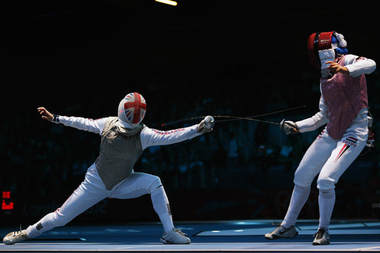
Anna Bentley competed for Great Britain at the London Olympics and at the World and European Championships from 2007 to 2012. She is a Commonwealth silver-medalist, a three-time British national champion, and an experienced mentor - with the Dame Kelly Holmes Trust, Youth Sports Trust, and most recently with The True Athlete Project. Her mentee is promising Sussex cricketer, Bethan Harvey.
By Meredith A. Whitley*
April 6th, 2017, celebrates the fourth International Day of Sport for Development and Peace with individuals, teams, and communities sharing how sport can improve the lives of participants and their communities all around the world. This date is particularly meaningful within the Olympic movement, as the first modern Olympics was held on April 6, 1896 in Athens, Greece.
While the Olympics have always stood for unity, with the five interlaced rings symbolically representing the five inhabited continents united by Olympism, this unity was on full display this past summer. At the 2016 Olympic Parade of Nations, a group of refugees without a common country to call home carried the banner of the Refugee Olympic Team, while at the Paralympic Games, another group of refugee athletes competed under the banner of the Independent Paralympic Athletes Team. During competition, the refugee team was not only recognized for the harrowing stories of their past, but who they are and what they’re capable of, changing the narrative and giving voice to those so often spoken for by others.
April 6th, 2017, celebrates the fourth International Day of Sport for Development and Peace with individuals, teams, and communities sharing how sport can improve the lives of participants and their communities all around the world. This date is particularly meaningful within the Olympic movement, as the first modern Olympics was held on April 6, 1896 in Athens, Greece.
While the Olympics have always stood for unity, with the five interlaced rings symbolically representing the five inhabited continents united by Olympism, this unity was on full display this past summer. At the 2016 Olympic Parade of Nations, a group of refugees without a common country to call home carried the banner of the Refugee Olympic Team, while at the Paralympic Games, another group of refugee athletes competed under the banner of the Independent Paralympic Athletes Team. During competition, the refugee team was not only recognized for the harrowing stories of their past, but who they are and what they’re capable of, changing the narrative and giving voice to those so often spoken for by others.
I’m familiar with the power of sport to change the lives of refugees, as I helped found the Refugee Sport Club in Lansing, Michigan a few years back. In partnership with the Refugee Development Center and the Institute for the Study of Youth Sports, we brought refugee youth together to play sports and learn life skills, such as teamwork, problem-solving, and conflict resolution.
Why did sport work? My colleagues and I asked the refugee youth participants this exact question, with our findings published recently in the journal Leisure/Loisir. We found that the joy so many feel when playing sport was embraced by the refugee youth. They had so many stressors each day adjusting to an unfamiliar culture, language, and education. The Refugee Sport Club was one place where they could let down their guard, release the stress of the day, kick a ball, laugh, and have fun.
Sport is a common language that removes communication barriers. The refugee youth could connect, even when they couldn’t speak English. Sport was also a way to find commonality with each other. At the Olympic and Paralympic Games, sport served as a language we all understood to connect with people we may not interact with in everyday life.
The aspirational language of the Olympics, Paralympics, and the United Nations’ Olympic Truce calls for world peace and unity. The International Day of Sport for Development and Peace brings together the sport and development community to highlight ways in which we are working to achieve peace and unity through sport. While peace and unity are unlikely to be achieved in a short time span, especially given the political and global climate we are experiencing today, one step towards unity is recognizing and including all individuals in sport, regardless of their background, ability, gender, gender identity, race, ethnicity, sexual orientation, socio-economic status, age, religious beliefs, culture, and beyond. Today – and every day – we must join together to ensure that all feel they’re valued members of a team.
Likewise, at the Refugee Sport Club, the refugee youth felt like valued members of a team, which counteracted feelings of isolation, marginality, and exclusion that are so common for refugees when relocating to a new country. Simply put by one of the refugee youth: “it’s fun to have a team.”
It’s also fun to be good at something. For refugees who may feel insecure in their new homes, playing a sport that they played growing up can be both comforting and reaffirming. These teams highlighted the power of sport to bridge divides and create a sense of community, which can be transformational. Due to recent political and global events (e.g., Syrian refugee crisis, Brexit, United States’ travel bans), the climate in which many refugees find themselves during the flight and resettlement phases are quite tense, uncertain, and complex. This creates an even greater need to actualize the potential for sport to bridge divides and build unity amongst us all.
Sport is a common language that removes communication barriers. The refugee youth could connect, even when they couldn’t speak English. Sport was also a way to find commonality with each other. At the Olympic and Paralympic Games, sport served as a language we all understood to connect with people we may not interact with in everyday life.
The aspirational language of the Olympics, Paralympics, and the United Nations’ Olympic Truce calls for world peace and unity. The International Day of Sport for Development and Peace brings together the sport and development community to highlight ways in which we are working to achieve peace and unity through sport. While peace and unity are unlikely to be achieved in a short time span, especially given the political and global climate we are experiencing today, one step towards unity is recognizing and including all individuals in sport, regardless of their background, ability, gender, gender identity, race, ethnicity, sexual orientation, socio-economic status, age, religious beliefs, culture, and beyond. Today – and every day – we must join together to ensure that all feel they’re valued members of a team.
Likewise, at the Refugee Sport Club, the refugee youth felt like valued members of a team, which counteracted feelings of isolation, marginality, and exclusion that are so common for refugees when relocating to a new country. Simply put by one of the refugee youth: “it’s fun to have a team.”
It’s also fun to be good at something. For refugees who may feel insecure in their new homes, playing a sport that they played growing up can be both comforting and reaffirming. These teams highlighted the power of sport to bridge divides and create a sense of community, which can be transformational. Due to recent political and global events (e.g., Syrian refugee crisis, Brexit, United States’ travel bans), the climate in which many refugees find themselves during the flight and resettlement phases are quite tense, uncertain, and complex. This creates an even greater need to actualize the potential for sport to bridge divides and build unity amongst us all.
During the Opening Ceremonies of the Olympic and Paralympic Games, the stadium erupted in applause when the Refugee Olympic Team and Independent Paralympic Athletes Team were announced, welcoming the athletes on the world stage. This inspirational moment of recognition and inclusion serves as a model for the rest of the world, calling on us all to embrace the Olympic values of friendship and respect in our everyday lives.
To create lasting change, we must have clear, actionable steps that are identified with specific goals and a timeline, and a real, honest dialogue about what needs to be done. This week, we can focus on the International Day of Sport for Development and Peace, when we come together worldwide to celebrate the ways in which sport can bridge divides and create strong communities. Next week, we must continue our efforts within and outside of sport, working to ensure that all are included and celebrated at all sporting levels.
To create lasting change, we must have clear, actionable steps that are identified with specific goals and a timeline, and a real, honest dialogue about what needs to be done. This week, we can focus on the International Day of Sport for Development and Peace, when we come together worldwide to celebrate the ways in which sport can bridge divides and create strong communities. Next week, we must continue our efforts within and outside of sport, working to ensure that all are included and celebrated at all sporting levels.
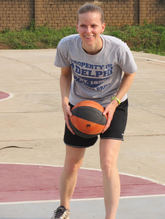
*Meredith A. Whitley, PhD, is an Assistant Professor and Coordinator of Sport-Based Youth Adelphi University in Garden City, New York. She oversees the Sport-Based Youth Development Specialization in both Garden City and Manhattan, along with the tuition-free Sport-Based Youth Development Fellowship for master’s degree students. Her research explores the complex and multi-faceted roles of sport and sport for development programs in the lives of youth from under-resourced communities, along with the interrelated systems impacting youth and community development. Her field-based experience in Sport for Development and Peace includes program development, implementation, and evaluation in under-resourced communities in the United States (e.g., Boston, Detroit, Queens, San Francisco) and Africa (e.g., Nigeria, South Africa, Uganda). She is currently the lead investigator on a comprehensive systematic review of the Sport for Development and Peace field, funded by the Laureus Sport for Good Foundation and the Commonwealth Secretariat, and also represents Adelphi University as a co-founder of the New York City Sport for Development Collaborative.
| I came across the concept and practice of mindfulness at an opportune time in my sporting career. I had been training and competing professionally for a few years and had naturally matured somewhat out of my hot-headed, junior temperament. I had achieved a handful of exciting senior results but was still struggling with consistency of performance, as well as my fair share of the psychological and existential issues inherent in top level sport. I was open and ready to explore new perspectives to achieve my goals. In fact, I have now come to realise that almost any time in my career would have been an opportune time to find mindfulness and I’m certain that any age of athlete can benefit from it for a whole host of reasons, not least increased peace of mind and, consequently, more assured and consistent performances. |  |
So, roughly 7 years and two Olympic Games later I was excited to come in to contact with Sam Parfitt and The True Athlete Project. TAP’s mission of making a positive social change through improving athletes experiences in sport with a strong focus on mindful practices, resonated deeply with me. I had spent some time leading up to competing in the Rio Olympics thinking about the social impact and costs involved in hosting the Olympic Games and writing about athletes’ responsibility to speak out on social issues that concern them. TAP seemed to encompass what I had been thinking about and go further still by setting out practical methods by which real cultural change could eventually happen. This was an organisation that I wanted to get behind.
As the performance director of a fencing club in Copenhagen, Denmark, it’s my task to optimise training and competition practices to enable our athletes to fulfil their potential and hopefully achieve world class results. The resources available to us in the sport of fencing in Denmark are a fraction of those in the nations that we must compete and succeed against in order to rise in the ranks. Since we cannot hope to compare in terms of financial support, participation numbers or organisational capacity, we know that we must find smarter, more innovative ways to develop and improve. Mindfulness in my opinion is, today, considered much the same way as sport psychology was 40 years ago. A small number of top athletes and coaches are ahead of the curve in using mindfulness techniques to improve their game. Some, such as the Chicago Bulls, embraced it with incredible success as far back as the late 80’s when their team was led by Michael Jordan. But mindfulness is by no means mainstream in elite sport, which is where the opportunity lies for those of us who are searching.
As the performance director of a fencing club in Copenhagen, Denmark, it’s my task to optimise training and competition practices to enable our athletes to fulfil their potential and hopefully achieve world class results. The resources available to us in the sport of fencing in Denmark are a fraction of those in the nations that we must compete and succeed against in order to rise in the ranks. Since we cannot hope to compare in terms of financial support, participation numbers or organisational capacity, we know that we must find smarter, more innovative ways to develop and improve. Mindfulness in my opinion is, today, considered much the same way as sport psychology was 40 years ago. A small number of top athletes and coaches are ahead of the curve in using mindfulness techniques to improve their game. Some, such as the Chicago Bulls, embraced it with incredible success as far back as the late 80’s when their team was led by Michael Jordan. But mindfulness is by no means mainstream in elite sport, which is where the opportunity lies for those of us who are searching.
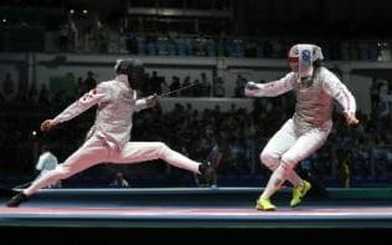
The connection between the mindful training of your ability to be more present and the experience of being in Flow (or, 'in the zone') is clear enough to justify special focus on mindful practice. When you add in the numerous physical and mental health benefits that have been attributed to that very same practice, it becomes almost irresponsible to ignore.
Step into the fold TAP’s Mindfulness for Sport workshop; a packed two days of discussing theory and picking up practical tools, interspersed with experiencing first-hand the various mindful techniques that can be deployed. The wealth of experience and expertise in their team combined with the organisation’s values and mission, position TAP firmly at the heart of the mindful sport revolution.
The flow of the weekend was tangible, starting with an introduction to mindfulness, it’s benefits and applications, as well as methods for communicating them to the coaching team, athletes and parents. This was followed by moving outside to go through a dynamic, mindful warm-up, some high-intensity mental focus agility games and a surprisingly enjoyable introductory session of Tai Chi. Then came one of the highlights for me; a guided mindful walk. As simple as it sounds it was a powerful experience, showing just how engaging a simple exercise such as standing, focusing on the feeling of shifting weight from one foot to the other can be. After just ten or so minutes, having gradually progressed up to normal walking speed, the exercise finished, and when I brought my attention back to ‘normal’, found myself in a wholly different state of mind to the one I started in. In fact, it even felt like I had been roused into a different physical location entirely. It struck me that the inherent simplicity of this practice combined with the resulting feeling would make for a powerful way to bring uninitiated athletes into the mindful world.
This part of the workshop naturally progressed into a discussion on the theme of a ‘container’; the environment and conditions under which mindfulness is introduced and practiced with groups. This is where organisational psychology meets spirituality, using clear communication, agreements and rituals to create an open and safe space that allows participants to feel comfortable exploring new perspectives.
Step into the fold TAP’s Mindfulness for Sport workshop; a packed two days of discussing theory and picking up practical tools, interspersed with experiencing first-hand the various mindful techniques that can be deployed. The wealth of experience and expertise in their team combined with the organisation’s values and mission, position TAP firmly at the heart of the mindful sport revolution.
The flow of the weekend was tangible, starting with an introduction to mindfulness, it’s benefits and applications, as well as methods for communicating them to the coaching team, athletes and parents. This was followed by moving outside to go through a dynamic, mindful warm-up, some high-intensity mental focus agility games and a surprisingly enjoyable introductory session of Tai Chi. Then came one of the highlights for me; a guided mindful walk. As simple as it sounds it was a powerful experience, showing just how engaging a simple exercise such as standing, focusing on the feeling of shifting weight from one foot to the other can be. After just ten or so minutes, having gradually progressed up to normal walking speed, the exercise finished, and when I brought my attention back to ‘normal’, found myself in a wholly different state of mind to the one I started in. In fact, it even felt like I had been roused into a different physical location entirely. It struck me that the inherent simplicity of this practice combined with the resulting feeling would make for a powerful way to bring uninitiated athletes into the mindful world.
This part of the workshop naturally progressed into a discussion on the theme of a ‘container’; the environment and conditions under which mindfulness is introduced and practiced with groups. This is where organisational psychology meets spirituality, using clear communication, agreements and rituals to create an open and safe space that allows participants to feel comfortable exploring new perspectives.
Day two included trying out another style of mindful sitting, this time the Zen method, which turned out to offer up a very different kind of struggle to hold focus on the present moment. I’d never really considered the variety of experiences that come from the different forms of mindfulness practice, but I found out it can feel very distinct both during and after a session.
The culmination of the weekend was the detailed work on formulating a structure for weaving mindfulness into the culture of my club back home. We will start with a series of introductory weekly sessions, where the athletes will get to experience the various forms of mindful practice, and then instil a short breathing exercise at the beginning of training sessions. The program builds up from there, including exercises to do at home, a points system for mindful activities undertaken and then eventually regular, scheduled group or team sittings.
Having started talking to some of my athletes around this theme, I can feel a genuine sense of intrigue from them, but I also know that it will not be a straightforward sell. There will be some that don’t see how the practice links to their performance or are put off by the traditional spiritual stigma around mindfulness. It can also be difficult to stick to a regular routine of mindfulness, and paradoxically it’s often the first thing to drop off when life gets busier or more stressful. But that’s precisely why integrating it into the structures of our athletes’ lives is so important. If we can make it a part of every training session then they don’t need to set aside time for it and they can just go about their day as usual getting their dose along the way.
I’m excited to get going with the project and to see what the reactions from the athletes will be. I have a feeling that this program will be especially valuable to the teenagers who struggle with the usual distractions and confusions of teenage life on top of those in their sport. But the plan is also to bring on board the youngest fencers too, so that hopefully by the time they get to that stage, they are already better placed to deal with what comes.
My thanks to Sam and to TAP for organising a fantastic weekend of learning and first-hand experience. I’m certain there is a huge, positive impact to be made by spreading this fantastic approach to sportspeople of all levels.
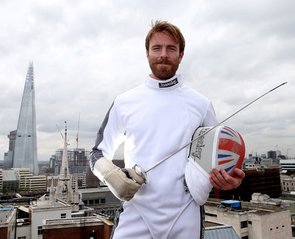 | Laurence Halsted is a foil fencer who won a silver medallist in the 2008 European Championships and represented Great Britain at the 2012 and 2016 Olympic Games. He is the director of performance at the Danish national fencing federation and for a Danish fencing club. Laurence writes for The Guardian and The Nation on issues around athlete activism and sport and sustainability. |
The global sport for development and peace (SDP) movement dates back to the historic Olympic Truce in Ancient Olympia. Today the movement is increasingly popular, with over 950 organizations and over 8,000 SDP “team players” registered on The International Platform on Sport and Development, a key online network dedicated to the SDP movement. Many international NGOs, as well as twenty-eight UN-affiliated agencies, are also integrating sport into their policies and programs at the country level. Sport as a tool for development is becoming increasingly recognized globally, highlighted recently in the United Nations’ post-2015 development agenda as an “important enabler of sustainable development”.
This narrative has a familiar ring to it where, since the inception of SDP, there has been a longstanding agreement that the world of sport is a natural partnership for development initiatives with a large and unique potential to contribute to social change. Sport is often highlighted as a participatory, universal, inclusive and educational activity. Its cross-cutting nature and ability to inspire and empower individuals are also frequently cited as powerful and unique attributes in the development discourse. Sport today continues to be touted as a diverse tool that can contribute to a multiplicity of aspects of sustainable development, including human development, economic development, environment, peace, communications and advocacy, conflict prevention, health, demobilization and disarmament, youth development, disaster response, gender equality, war-related trauma and healing, social mobility and more.
Could it be that overly optimistic goals have been developed about the transformative potential of sport?
Critical authors and theorists argue that the SDP movement is dominated heavily by “evangelists”, or sporting enthusiasts with rosy views of the potential of sport, creating an underlying conviction that sport must lead to positive outcomes. It can be argued that this expectation-driven and overriding assumption that SDP initiatives are effective has restricted critical discussion and theoretically-informed reflection.
It is important to recognize that sport and sport-based programs do not always have a positive, nor linear, relationship with social development. Sport’s longstanding and complex connection to warfare and violence is one more obvious aspect of this. Less visible, but also important, is the suggestion that the SDP sector is in fact in disarray, utilizing a haphazard variety of strategies and practices that are not adequately conceptualized nor effectively structured. Critics assert that this uncoordinated, often top-down approach fails to address the structural drivers of inequitable global systems and does not bring about notable social change, instead supporting and sustaining a fundamentally reproductive and colonial vision of development.
This leads to a number of troubling questions. The SDP sector is teeming with protagonists, including athletes and sport enthusiasts who have experienced the power of sport and bring an honest and enthusiastic desire to “make a difference”. But - are good intentions enough? Have we been blinded by our own enthusiasm? Whose interests do SDP projects serve? Are our actions justified by the impact that they have or by the gratification that they bring to us?
This narrative has a familiar ring to it where, since the inception of SDP, there has been a longstanding agreement that the world of sport is a natural partnership for development initiatives with a large and unique potential to contribute to social change. Sport is often highlighted as a participatory, universal, inclusive and educational activity. Its cross-cutting nature and ability to inspire and empower individuals are also frequently cited as powerful and unique attributes in the development discourse. Sport today continues to be touted as a diverse tool that can contribute to a multiplicity of aspects of sustainable development, including human development, economic development, environment, peace, communications and advocacy, conflict prevention, health, demobilization and disarmament, youth development, disaster response, gender equality, war-related trauma and healing, social mobility and more.
Could it be that overly optimistic goals have been developed about the transformative potential of sport?
Critical authors and theorists argue that the SDP movement is dominated heavily by “evangelists”, or sporting enthusiasts with rosy views of the potential of sport, creating an underlying conviction that sport must lead to positive outcomes. It can be argued that this expectation-driven and overriding assumption that SDP initiatives are effective has restricted critical discussion and theoretically-informed reflection.
It is important to recognize that sport and sport-based programs do not always have a positive, nor linear, relationship with social development. Sport’s longstanding and complex connection to warfare and violence is one more obvious aspect of this. Less visible, but also important, is the suggestion that the SDP sector is in fact in disarray, utilizing a haphazard variety of strategies and practices that are not adequately conceptualized nor effectively structured. Critics assert that this uncoordinated, often top-down approach fails to address the structural drivers of inequitable global systems and does not bring about notable social change, instead supporting and sustaining a fundamentally reproductive and colonial vision of development.
This leads to a number of troubling questions. The SDP sector is teeming with protagonists, including athletes and sport enthusiasts who have experienced the power of sport and bring an honest and enthusiastic desire to “make a difference”. But - are good intentions enough? Have we been blinded by our own enthusiasm? Whose interests do SDP projects serve? Are our actions justified by the impact that they have or by the gratification that they bring to us?
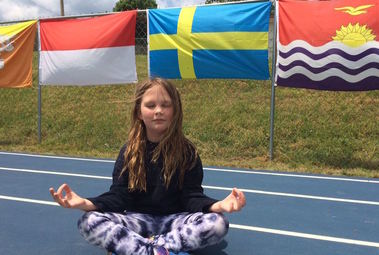

I argue that there is a need for a foundational shift in SDP. Perhaps it is time that we move beyond familiar borders and recognize not only our abilities, but also our inabilities, our powerlessness and our in-capabilities, in order to become more effective practitioners. Development needs to be reoriented and understood not as something to be done to or for people, but rather a process that should be undertaken with people. Do humans – athletes – need to be taught, or can we simply facilitate their unfolding?
Tracing the philosophies of post-development scholars, the idea of “development” can be deconstructed from its linear, unidirectional understanding, to one of ubiquity. In doing this, we actively confront power. We must shift from a framework of modernity and dogmatic reason to one that recognizes the trans-relational, integrates the spiritual and acknowledges the full human potential. We must develop new vocabularies. We must disrupt orthodox systems. We must rethink, reframe and reimagine.
Perhaps it is here that the True Athlete Project forges fresh ground. TAP seeks to invent, or reinvent, a culture of sport that provides a frame and holds space for individuals to explore their ways of being, their identities, their potentials and their selves. Recognizing the human being as an energetic whole, TAP proposes a holistic approach to integrate the mind, body and spirit of athletes. What would the sport for development sector look like if it started from, and ended with, empathic, mindful, whole human beings?
What is our individual and collective role in this?
How do you reimagine SDP?
Tracing the philosophies of post-development scholars, the idea of “development” can be deconstructed from its linear, unidirectional understanding, to one of ubiquity. In doing this, we actively confront power. We must shift from a framework of modernity and dogmatic reason to one that recognizes the trans-relational, integrates the spiritual and acknowledges the full human potential. We must develop new vocabularies. We must disrupt orthodox systems. We must rethink, reframe and reimagine.
Perhaps it is here that the True Athlete Project forges fresh ground. TAP seeks to invent, or reinvent, a culture of sport that provides a frame and holds space for individuals to explore their ways of being, their identities, their potentials and their selves. Recognizing the human being as an energetic whole, TAP proposes a holistic approach to integrate the mind, body and spirit of athletes. What would the sport for development sector look like if it started from, and ended with, empathic, mindful, whole human beings?
What is our individual and collective role in this?
How do you reimagine SDP?

Ellen Kim holds a M.A. in Sustainable Peace through Sport from the University for Peace and is completing a second M.A. in Peace, Development, Security and International Conflict Transformation through the UNESCO Chair for Peace Studies in Innsbruck. As a former elite rhythmic gymnast, Ellen is passionate about sport and other embodied methods as powerful tools for transformation. She has experience working with grassroots social projects, NGOs, sporting bodies such as National Olympic Committees, as well as international organizations such as the United Nations. Ellen is particularly interested in the integration of creativity, spirituality and all aspects of human nature into the sport for development and peace movement. She looks forward to exploring this approach with The True Athlete Project.
SIGN UP HERE TO RECEIVE OUR NEWSLETTERS!
SIGN UP HERE TO RECEIVE OUR NEWSLETTERS!

By Nicole Gabana, a certified sport psychology consultant (CC-AASP) and Ph.D student at Indiana University Bloomington.
A former NCAA division one rower, Nicole's doctoral research has focused on the integration of positive psychology and sport, specifically the effects of gratitude on the brain, as well as on athlete wellbeing.
A former NCAA division one rower, Nicole's doctoral research has focused on the integration of positive psychology and sport, specifically the effects of gratitude on the brain, as well as on athlete wellbeing.
In her book, Positivity, Dr. Barbara Fredrickson begins with an anonymous parable about a Cherokee grandfather speaking with his grandson:
One evening an old Cherokee told his grandson about a battle that goes on inside people.
He said, “My son, the battle is between two wolves inside us all. One is evil. It is anger, envy, jealousy, sorrow, regret, greed, arrogance, self-pity, guilt, resentment, inferiority, lies, false pride, superiority, and ego.”
“The other is good. It is joy, peace, love, hope, serenity, humility, kindness, benevolence, empathy, generosity, truth, compassion, and faith.”
The grandson thought about it for a minute and then asked his grandfather, “Which wolf wins?”
The old Cherokee simply replied, “The one you feed.”
One evening an old Cherokee told his grandson about a battle that goes on inside people.
He said, “My son, the battle is between two wolves inside us all. One is evil. It is anger, envy, jealousy, sorrow, regret, greed, arrogance, self-pity, guilt, resentment, inferiority, lies, false pride, superiority, and ego.”
“The other is good. It is joy, peace, love, hope, serenity, humility, kindness, benevolence, empathy, generosity, truth, compassion, and faith.”
The grandson thought about it for a minute and then asked his grandfather, “Which wolf wins?”
The old Cherokee simply replied, “The one you feed.”
In sport and in life, feeding the good wolf is essential to character development, performing with integrity, and becoming a true athlete. In this blog post, I will discuss how gratitude can be food for the good wolf, leading to gains in both personal and performance domains.
Gratitude has been associated with numerous emotional, psychological, and physical health benefits, including better quality of sleep, subjective well-being (i.e., happiness), life satisfaction, increased positive affect, altruism, and interpersonal connectedness (Wood et al., 2010). The positive effects of gratitude may be amplified when people express appreciation outwardly, rather than just thinking or feeling grateful (Davis et al., 2016).
Athletes and other performers are accustomed to facing adversity in their pursuit of optimal performance. They are no strangers to pain, sweat, tears, and hardship. The greatest performers overcome obstacles by consistently strengthening their resilience, and gratitude can facilitate that process. Gratitude expression has been correlated with greater neuroplasticity in the brain (Kini et al., 2016), and according to Fredrickson’s (2001) Broaden and Build Theory, cultivating positive emotions such as gratitude can lead to better creativity, problem-solving, and resource utilization, factors which can ultimately contribute to enhanced performance. Expressing gratitude may strengthen resilience by increasing perceived social support and developing positive coping skills when times get tough.
For a moment, consider a great athlete, performer, or mentor who has been a role model to you. Would you describe this person as grateful? Gratitude is a quality that is often associated with humility, dedication, appreciation of others, and level-headedness. This means knowing where you came from and who helped you along the way; recognizing and appreciating the experiences and people who have contributed to your growth, both as a person and an athlete. Practicing gratitude, both internally and outwardly, keeps one grounded and maintains one’s perspective.
Gratitude has been associated with numerous emotional, psychological, and physical health benefits, including better quality of sleep, subjective well-being (i.e., happiness), life satisfaction, increased positive affect, altruism, and interpersonal connectedness (Wood et al., 2010). The positive effects of gratitude may be amplified when people express appreciation outwardly, rather than just thinking or feeling grateful (Davis et al., 2016).
Athletes and other performers are accustomed to facing adversity in their pursuit of optimal performance. They are no strangers to pain, sweat, tears, and hardship. The greatest performers overcome obstacles by consistently strengthening their resilience, and gratitude can facilitate that process. Gratitude expression has been correlated with greater neuroplasticity in the brain (Kini et al., 2016), and according to Fredrickson’s (2001) Broaden and Build Theory, cultivating positive emotions such as gratitude can lead to better creativity, problem-solving, and resource utilization, factors which can ultimately contribute to enhanced performance. Expressing gratitude may strengthen resilience by increasing perceived social support and developing positive coping skills when times get tough.
For a moment, consider a great athlete, performer, or mentor who has been a role model to you. Would you describe this person as grateful? Gratitude is a quality that is often associated with humility, dedication, appreciation of others, and level-headedness. This means knowing where you came from and who helped you along the way; recognizing and appreciating the experiences and people who have contributed to your growth, both as a person and an athlete. Practicing gratitude, both internally and outwardly, keeps one grounded and maintains one’s perspective.

So how do we cultivate gratitude in sport and in life? Let’s start here.
1.Daily Gratitude Mindfulness Recap – This exercise can be practiced at any time of the day, but may be especially effective in the evening or before going to bed. In your mind, replay your day from the moment you woke up to the present moment, while identifying each thing for which you feel grateful. This can be done through mental recapping (merely thinking of each thing) or by gratitude journaling (writing down each moment of gratitude and why it was meaningful to you). Recapping and identifying these moments after a successful OR difficult practice/performance can provide perspective and strengthen your resilience during times of adversity.
Here are a few examples:
“My alarm went off this morning, which meant I was on time for practice.”
“My roommate picked up an extra bagel for me which shows he was thinking of me.”
“My coach invested time in my growth today by sharing feedback on my technique.”
“My mom/dad called me today to see how I am doing which shows me they care.”
“I had time off tonight to watch a movie and relax, which is good for my well-being.”
Challenge yourself to notice things on both the micro level (e.g., “I didn’t have to wait in line at the post office.”) and the macro level (e.g., “I am grateful for spending time with my family because they bring meaning and purpose to my life.”)
2.Gratitude Letter – Gratitude expression, especially when interpersonal in nature, has commonly been associated with stronger social connectedness. Since humans are social beings, we thrive on meaningful relationships with friends, family, teammates, coaches, and partners. Performance often benefits when our interpersonal relationships are flourishing. Sure, we often think about how much we appreciate those who bring joy to our life and challenge us to grow, but how often do we actually say it? Research shows that writing a letter of gratitude to someone in your life and reading it to them out loud can produce a significant interpersonal experience for both the writer and the recipient (Seligman et al., 2005).
If you are unable to read the letter out loud, other options might include sending a letter, writing an email, leaving a note, or making a phone call.
3.Gratitude Apps – There are a number of gratitude apps out there to serve as a reminder to practice gratitude on a daily basis (see below for a few of my favorites which can be found in the iTunes App Store). Give them a try and see what works for you! I personally enjoy “7s Meditation”. This app sends you a daily thought prompt such as “What are 3 things you are grateful for right now?” or “Express gratitude toward someone who consistently brings you joy.”
Gratitude apps:
7s Meditation
Gratitude Journal 365
HappyFeed
Uplifter
Moments—A Photo Gratitude Journal
This week, I challenge you to practice one or more of these exercises. Just as you dedicate yourself to a physical regimen, commit yourself to improving your mental gratitude routine. Gradually, as you use these strategies repeatedly over time, you will begin to see a shift in the way you see the world and yourself. Just as we train our bodies to develop physical habits, our mindset is similarly shaped by consistent, repeated thoughts over time. Train your brain to be grateful, and see if you notice a difference… in your ability to be resilient in the face of adversity; in the quality and depth of your relationships with others; in your own sense of purpose in the world; and in your role as an athlete and as a human being.
Don’t forget to feed the good wolf.
1.Daily Gratitude Mindfulness Recap – This exercise can be practiced at any time of the day, but may be especially effective in the evening or before going to bed. In your mind, replay your day from the moment you woke up to the present moment, while identifying each thing for which you feel grateful. This can be done through mental recapping (merely thinking of each thing) or by gratitude journaling (writing down each moment of gratitude and why it was meaningful to you). Recapping and identifying these moments after a successful OR difficult practice/performance can provide perspective and strengthen your resilience during times of adversity.
Here are a few examples:
“My alarm went off this morning, which meant I was on time for practice.”
“My roommate picked up an extra bagel for me which shows he was thinking of me.”
“My coach invested time in my growth today by sharing feedback on my technique.”
“My mom/dad called me today to see how I am doing which shows me they care.”
“I had time off tonight to watch a movie and relax, which is good for my well-being.”
Challenge yourself to notice things on both the micro level (e.g., “I didn’t have to wait in line at the post office.”) and the macro level (e.g., “I am grateful for spending time with my family because they bring meaning and purpose to my life.”)
2.Gratitude Letter – Gratitude expression, especially when interpersonal in nature, has commonly been associated with stronger social connectedness. Since humans are social beings, we thrive on meaningful relationships with friends, family, teammates, coaches, and partners. Performance often benefits when our interpersonal relationships are flourishing. Sure, we often think about how much we appreciate those who bring joy to our life and challenge us to grow, but how often do we actually say it? Research shows that writing a letter of gratitude to someone in your life and reading it to them out loud can produce a significant interpersonal experience for both the writer and the recipient (Seligman et al., 2005).
If you are unable to read the letter out loud, other options might include sending a letter, writing an email, leaving a note, or making a phone call.
3.Gratitude Apps – There are a number of gratitude apps out there to serve as a reminder to practice gratitude on a daily basis (see below for a few of my favorites which can be found in the iTunes App Store). Give them a try and see what works for you! I personally enjoy “7s Meditation”. This app sends you a daily thought prompt such as “What are 3 things you are grateful for right now?” or “Express gratitude toward someone who consistently brings you joy.”
Gratitude apps:
7s Meditation
Gratitude Journal 365
HappyFeed
Uplifter
Moments—A Photo Gratitude Journal
This week, I challenge you to practice one or more of these exercises. Just as you dedicate yourself to a physical regimen, commit yourself to improving your mental gratitude routine. Gradually, as you use these strategies repeatedly over time, you will begin to see a shift in the way you see the world and yourself. Just as we train our bodies to develop physical habits, our mindset is similarly shaped by consistent, repeated thoughts over time. Train your brain to be grateful, and see if you notice a difference… in your ability to be resilient in the face of adversity; in the quality and depth of your relationships with others; in your own sense of purpose in the world; and in your role as an athlete and as a human being.
Don’t forget to feed the good wolf.

By Meagan Ernd
Meagan is a former NCAA division one volleyball player for the University of Tennessee at Chattanooga. She currently works as a digital media specialist at JCDecaux and as a media contributor for The True Athlete Project.
Meagan is a former NCAA division one volleyball player for the University of Tennessee at Chattanooga. She currently works as a digital media specialist at JCDecaux and as a media contributor for The True Athlete Project.

Buddha once expressed, “All we are is a result of what we have thought.” Any of the Olympians who competed in Rio this year would attest to this, especially prolific champions like Michael Phelps! But it's not just Olympians who deserve access to mental skills training; The True Athlete Project believes it should be a staple in the life of every athlete!
Today, we talk to sport psychologist and member of The True Athlete Project board of directors, Michael Johnson, PhD.
Dr. Johnson is the Director of Clinical and Sport Psychology at the University of Arkansas. He was also a member of the NCAA division one men’s swim team at Brown University - he's our very own Michael Phelps! We explore some of his current work, and discuss what it was like for him as a student-athlete, and how his experiences have influenced his work in the athletics department at University of Arkansas.
Me: Hi Dr. J! It’s great to have this opportunity to interview you for the TAP blog, since you are such an integral member of this amazing team. What’s new over in the athletics department at UA this fall?
Dr. Johnson: Hi Meagan!! Have you heard of Kognito?
Me: No, would you mind explaining what that is?
Dr. Johnson: Kognito is a psychology-based computer program that enables faculty, staff, students, and student leaders to promote emotional wellness on college and university campuses through learning situations. Programs like Kognito allow members of our staff to develop a better understanding of our athletes, especially of those who are undergoing mental distress or have experienced past trauma.
Me: Wow! I wasn’t aware that programs like that were available. It makes me wonder how many other athletic departments would be willing to invest in a program like that.
Dr. Johnson: Well, shockingly enough, only a small portion of budgets are allotted to mental health specifically. Luckily, I work within a department that is willing to make such investments more of a priority. As you know, it is imperative that student-athletes maintain a healthy emotional state or else their performance suffers as well as their quality of life.
Today, we talk to sport psychologist and member of The True Athlete Project board of directors, Michael Johnson, PhD.
Dr. Johnson is the Director of Clinical and Sport Psychology at the University of Arkansas. He was also a member of the NCAA division one men’s swim team at Brown University - he's our very own Michael Phelps! We explore some of his current work, and discuss what it was like for him as a student-athlete, and how his experiences have influenced his work in the athletics department at University of Arkansas.
Me: Hi Dr. J! It’s great to have this opportunity to interview you for the TAP blog, since you are such an integral member of this amazing team. What’s new over in the athletics department at UA this fall?
Dr. Johnson: Hi Meagan!! Have you heard of Kognito?
Me: No, would you mind explaining what that is?
Dr. Johnson: Kognito is a psychology-based computer program that enables faculty, staff, students, and student leaders to promote emotional wellness on college and university campuses through learning situations. Programs like Kognito allow members of our staff to develop a better understanding of our athletes, especially of those who are undergoing mental distress or have experienced past trauma.
Me: Wow! I wasn’t aware that programs like that were available. It makes me wonder how many other athletic departments would be willing to invest in a program like that.
Dr. Johnson: Well, shockingly enough, only a small portion of budgets are allotted to mental health specifically. Luckily, I work within a department that is willing to make such investments more of a priority. As you know, it is imperative that student-athletes maintain a healthy emotional state or else their performance suffers as well as their quality of life.
Me: You are absolutely right about that! I know that you swam during your college career at Brown University – can you elaborate on what your experience was like as former student-athlete?
Dr. Johnson: During my time in college, the concept of sport psychology was still fairly new and rarely did athletes seek professional help, nor were those services really offered. For me personally, I was able to confide in one of the priests on campus. He became a confidant and someone I could turn to during difficult times. I’m very grateful for that support because I faced the challenge of battling depression. In addition to the support of the priest, I had support from the Brown community in general, but again mental health services were not really offered when I attended school.
Me: Have you found that your experiences as a student-athlete have helped you in your practice as the sports psychologist for UA?
Dr. Johnson: Of course! It elevated my level of empathy with student-athletes because I experienced the same physical, as well as mental, stressors during my athletic career. Now as the psychologist, I can support the athletes by attending their practices to observe how they are being treated and can step in when coaches need to be told ‘No’ – a word they are not told too often. The environment of student-athletes is very important.
Me: How did you become interested in sports psychology and how did you end up becoming a sports psychologist?
Dr. Johnson: I worked several different jobs throughout the years. My degree from Brown is actually in Economics and I worked for the government for quite some time managing budgets for the Fairfax County (Virginia) school system. After sixteen years, I experienced a shift in motivation for my work. I coached my own travel team and realized how much I enjoyed doing that. I wanted to get back into the athletic world.
Me: What are some of the challenges the athletes you see face?
Dr. Johnson: Student-athletes face the challenge of adjusting to their environment, academics, and social pressures like normal students but they also have demands from their coaches as well. A fair amount of the athletes I’ve seen experience anxiety, depression, homesickness, mental abuse, lack of emotional awareness, high physical stress etc. When I have the chance to work with these athletes, I can offer my support by simply asking them the right questions that provide insight into their behaviors and emotional states. One question I will often ask them is, “What did you get out of that?”
Me: Besides asking good questions, what other techniques are part of your repertoire?
Dr. Johnson: Personally, I am a huge fan of imagery techniques and also just letting my athletes know that I care about their well-being. It is really important for the athletes that I work with to know that I understand them. I will never forget my second grade teacher Mrs. Phillips because she understood me. In that understanding, she was able to encourage me to pursue athletics further and perform even better in school.
Building strong interpersonal relationships with my student-athletes is something that I strive for and also encourage them to do with their peers as well.
I help provide student-athletes with the tools to develop vital mental skills, coping mechanisms, and enhanced performance. Programs like The True Athlete Project are great because they are enabling young athletes in those areas as well.
Dr. Johnson: During my time in college, the concept of sport psychology was still fairly new and rarely did athletes seek professional help, nor were those services really offered. For me personally, I was able to confide in one of the priests on campus. He became a confidant and someone I could turn to during difficult times. I’m very grateful for that support because I faced the challenge of battling depression. In addition to the support of the priest, I had support from the Brown community in general, but again mental health services were not really offered when I attended school.
Me: Have you found that your experiences as a student-athlete have helped you in your practice as the sports psychologist for UA?
Dr. Johnson: Of course! It elevated my level of empathy with student-athletes because I experienced the same physical, as well as mental, stressors during my athletic career. Now as the psychologist, I can support the athletes by attending their practices to observe how they are being treated and can step in when coaches need to be told ‘No’ – a word they are not told too often. The environment of student-athletes is very important.
Me: How did you become interested in sports psychology and how did you end up becoming a sports psychologist?
Dr. Johnson: I worked several different jobs throughout the years. My degree from Brown is actually in Economics and I worked for the government for quite some time managing budgets for the Fairfax County (Virginia) school system. After sixteen years, I experienced a shift in motivation for my work. I coached my own travel team and realized how much I enjoyed doing that. I wanted to get back into the athletic world.
Me: What are some of the challenges the athletes you see face?
Dr. Johnson: Student-athletes face the challenge of adjusting to their environment, academics, and social pressures like normal students but they also have demands from their coaches as well. A fair amount of the athletes I’ve seen experience anxiety, depression, homesickness, mental abuse, lack of emotional awareness, high physical stress etc. When I have the chance to work with these athletes, I can offer my support by simply asking them the right questions that provide insight into their behaviors and emotional states. One question I will often ask them is, “What did you get out of that?”
Me: Besides asking good questions, what other techniques are part of your repertoire?
Dr. Johnson: Personally, I am a huge fan of imagery techniques and also just letting my athletes know that I care about their well-being. It is really important for the athletes that I work with to know that I understand them. I will never forget my second grade teacher Mrs. Phillips because she understood me. In that understanding, she was able to encourage me to pursue athletics further and perform even better in school.
Building strong interpersonal relationships with my student-athletes is something that I strive for and also encourage them to do with their peers as well.
I help provide student-athletes with the tools to develop vital mental skills, coping mechanisms, and enhanced performance. Programs like The True Athlete Project are great because they are enabling young athletes in those areas as well.

Dr. Michael Johnson is the director of clinical and sport psychology at the University of Arkansas. He holds a Ph.D in counseling Psychology from Florida State University and has published scientific articles addressing a range of performance-related topics. In addition, Dr. Johnson regularly consults for the World Anti-Doping Agency. He was previously a professor at the University of Texas, a division one swimmer for Brown University and he coached high school swimmers for 17 years.

“Sport has the power to change the world. It has the power to inspire. It has the power to unite people in a way that little else does. Sport can create hope where once there was only despair. It is more powerful than government in breaking down racial barriers.” – Nelson Mandela
Seven days ago a controversial and contested presidential election rocked the United States. Many felt that the contemporary ideals of inclusion, unity, and diversity were rejected, sparking fear, protest and confusion around the world. With a campaign season defined by misogyny, racism and xenophobia, this election sits in direct opposition to the feelings felt by many Americans eight years ago, as history was made when the United States elected their very first black President. A man who inspired a nation to believe in change, hope and the idea that we are better together. There is a necessity to remember those feelings of understanding and optimism, as the world faces a time period defined by uncertainty, division and fear.
As America looks to the future, there is so much to be learned from history and the triumphs of those who defied discrimination before us.
On December 5th, 2013, Nelson Mandela passed away. In his wake he left a legacy of equality and empathy; unifying a nation and earning his place in history books through struggle, perseverance and faith. While Mandela will be remembered for many awe-inspiring accomplishments, his understanding of the power and potential of sport to affect change and promote peace was and continues to be unparalleled among world leaders. Mandela placed trust in the influence of sport to reconcile a nation.
Just a year after the country’s first multiracial elections and Mandela’s election as the first black president of South Africa, the country hosted the 1995 Rugby World Cup. Rugby in South Africa was a white man’s game, a symbol of apartheid to many non-whites, a reminder of minority rule. As the South African Springboks reached the World Cup final, Mandela sported the green Springbok jersey; a symbol of oppression, beloved by his apartheid jailers. The Springboks took home the 1995 Rugby World Cup, but this sporting achievement was much more than a game, it signalled the beginning of a united South Africa.
While the political process in America may have failed to bring unity and inspiration to many, powerful tools, such as sport, may be the answer to bridging divides in society and promoting environments of compassion and empathy. Sport has a unique ability to promote acceptance, integration and understanding; working as an influential instrument to encourage respect for rules, peaceful reconciliation and non-violence. Sharing in the success of sport, be it on the sidelines or on the court, allows for the humanization of those around you. Pushing people to view one another as human beings and not opposing opinions. With so many stories similar to the 1995 Springbok World Cup victory sprinkled throughout history, sport maintains its place in society as a unifier and a source of constant inspiration; two things that this week our current world is in need of.
“The ultimate power of sport happens inside the huddle…it doesn’t matter whether you’re black, white, Middle Eastern, Latino, Asian or Native American. It matters not whether you’re Christian, Jewish, Buddhist, Muslin, Sikh Hindu or believe in any other religion or in no religion. It does not matter whether you are old or young, gay or straight, from a rich family or poor family. The team simply cannot win unless everyone pulls together. Imagine if that power of sports spread to all institutions and communities across the globe.” – Richard E. Lapchick
Written by Catherine Houston - Houston holds an MSc from the University of Edinburgh. A retired university volleyball player, Katie remains passionate about the power of sport as a transformative social tool and force for good. With an extensive background in both Sport for Peace and marketing, having worked previously with the UNHCR and PeacePlayers International, Catherine has joined The True Athlete Project as media and marketing officer.
Seven days ago a controversial and contested presidential election rocked the United States. Many felt that the contemporary ideals of inclusion, unity, and diversity were rejected, sparking fear, protest and confusion around the world. With a campaign season defined by misogyny, racism and xenophobia, this election sits in direct opposition to the feelings felt by many Americans eight years ago, as history was made when the United States elected their very first black President. A man who inspired a nation to believe in change, hope and the idea that we are better together. There is a necessity to remember those feelings of understanding and optimism, as the world faces a time period defined by uncertainty, division and fear.
As America looks to the future, there is so much to be learned from history and the triumphs of those who defied discrimination before us.
On December 5th, 2013, Nelson Mandela passed away. In his wake he left a legacy of equality and empathy; unifying a nation and earning his place in history books through struggle, perseverance and faith. While Mandela will be remembered for many awe-inspiring accomplishments, his understanding of the power and potential of sport to affect change and promote peace was and continues to be unparalleled among world leaders. Mandela placed trust in the influence of sport to reconcile a nation.
Just a year after the country’s first multiracial elections and Mandela’s election as the first black president of South Africa, the country hosted the 1995 Rugby World Cup. Rugby in South Africa was a white man’s game, a symbol of apartheid to many non-whites, a reminder of minority rule. As the South African Springboks reached the World Cup final, Mandela sported the green Springbok jersey; a symbol of oppression, beloved by his apartheid jailers. The Springboks took home the 1995 Rugby World Cup, but this sporting achievement was much more than a game, it signalled the beginning of a united South Africa.
While the political process in America may have failed to bring unity and inspiration to many, powerful tools, such as sport, may be the answer to bridging divides in society and promoting environments of compassion and empathy. Sport has a unique ability to promote acceptance, integration and understanding; working as an influential instrument to encourage respect for rules, peaceful reconciliation and non-violence. Sharing in the success of sport, be it on the sidelines or on the court, allows for the humanization of those around you. Pushing people to view one another as human beings and not opposing opinions. With so many stories similar to the 1995 Springbok World Cup victory sprinkled throughout history, sport maintains its place in society as a unifier and a source of constant inspiration; two things that this week our current world is in need of.
“The ultimate power of sport happens inside the huddle…it doesn’t matter whether you’re black, white, Middle Eastern, Latino, Asian or Native American. It matters not whether you’re Christian, Jewish, Buddhist, Muslin, Sikh Hindu or believe in any other religion or in no religion. It does not matter whether you are old or young, gay or straight, from a rich family or poor family. The team simply cannot win unless everyone pulls together. Imagine if that power of sports spread to all institutions and communities across the globe.” – Richard E. Lapchick
Written by Catherine Houston - Houston holds an MSc from the University of Edinburgh. A retired university volleyball player, Katie remains passionate about the power of sport as a transformative social tool and force for good. With an extensive background in both Sport for Peace and marketing, having worked previously with the UNHCR and PeacePlayers International, Catherine has joined The True Athlete Project as media and marketing officer.
Read for motivation. Just as the right song can push you through a challenging obstacle, the right book or article can sharpen your focus. Until I read Season of Life, by Jeffrey Marx, I wasn’t sure how to show my players how much I cared about them. Just when I thought there would never be another book as inspirational as Season of Life, Joe Ehrmann, the subject of Season of Life, released InSideOut Coaching. Coach Ehrmann challenges coaches to develop a coaching philosophy based on the following questions:
1. Why do I coach?
2. Why do I coach the way I do?
3. What does it feel like to be coached by me?
4. How do I define success?
From philosophy to practice. Rather than putting the book down and reverting back to old habits, coaches and athletes (just take the above questions and change “coach” to “compete”) can share their developed philosophies. A covenant is a great way to put philosophy into committed practice. I learned this technique from Carol Hotchkiss at the Durango Institute a few years ago, and found it a bit easier to digest than a “contract.” The definition has been adapted to fit coaching and training:
1. Why do I coach?
2. Why do I coach the way I do?
3. What does it feel like to be coached by me?
4. How do I define success?
From philosophy to practice. Rather than putting the book down and reverting back to old habits, coaches and athletes (just take the above questions and change “coach” to “compete”) can share their developed philosophies. A covenant is a great way to put philosophy into committed practice. I learned this technique from Carol Hotchkiss at the Durango Institute a few years ago, and found it a bit easier to digest than a “contract.” The definition has been adapted to fit coaching and training:

COVENANT: a contract of agreement between the [institution/program], parents, and [athletes] that supports the mission and objectives of the [institution/program], respects the commitment and investment of the parents, and honors the potential and integrity of each [athlete]. (The Durango Institute)

In my role as a youth coach, I could use Ehrmann’s questions to establish the program’s philosophy, then have players, parents, and assistant coaches provide their expectations and obligations to each other. So a player submits a covenant to parents and coaches; parents submit a covenant to their son and coaches; coaches submit a covenant to players and parents.
A covenant provides clear expectations and transparency from all involved. In my experience as a coach, I found sharing my coaching philosophy along with the covenants improved player and parent buy-in, provided me more autonomy with the school, and shifted focus from wins and losses to embracing each season as a unique experience.
Writing as mental floss. Once a coach or athlete finds clarity in why they coach or compete, there are still the other parts of your lives that clutter your brains. So how do we clear our minds for competition? Combined with meditation and mindfulness practices, stream of consciousness writing, or Proprioceptive Writing, will bring focus, lift burdens, and resolve conflicts. You can write to remove mental obstacles that negatively impact performance.
Tips for Stream-of-Consciousness Writing.
1. Establish clear rules or guidelines. These may include no rules or time limits.
2. Know your space & audience (journal, team, class, presentation)
3. Use model texts (Season of Life; InSideOut Coaching)
4. Find a routine — create a habit
5. Do something with it (read it, mark it up, share it, hide it, throw it away, don’t send it!)
“Sometimes you’re the statue, and sometimes you’re the pigeon.” Coaches often use the cliche that there is always someone faster, smarter, stronger. That the competition is always finding ways to defeat you. As athletes find success, thinking like a novice can keep them from being “the statue.” Reading for inspiration and writing for drive encourages reflection and pushes athletes and coaches into a novice’s mindset. As novices: we dig in, cling to mentors, take risks, and strive to improve.
The True Athlete Project is committed to learning from all True Athletes. If you have a book or piece of writing that has inspired you, or a writing prompt to share, please share with us by submitting your experience here!
By Tim Chakwin, True Athlete Project Member, Dean of Residential Life and English professor at The McCallie School, Co-Founder of Chattanooga Lacrosse, Lacrosse Coach, Father of two energetic young athletes!
A covenant provides clear expectations and transparency from all involved. In my experience as a coach, I found sharing my coaching philosophy along with the covenants improved player and parent buy-in, provided me more autonomy with the school, and shifted focus from wins and losses to embracing each season as a unique experience.
Writing as mental floss. Once a coach or athlete finds clarity in why they coach or compete, there are still the other parts of your lives that clutter your brains. So how do we clear our minds for competition? Combined with meditation and mindfulness practices, stream of consciousness writing, or Proprioceptive Writing, will bring focus, lift burdens, and resolve conflicts. You can write to remove mental obstacles that negatively impact performance.
Tips for Stream-of-Consciousness Writing.
1. Establish clear rules or guidelines. These may include no rules or time limits.
2. Know your space & audience (journal, team, class, presentation)
3. Use model texts (Season of Life; InSideOut Coaching)
4. Find a routine — create a habit
5. Do something with it (read it, mark it up, share it, hide it, throw it away, don’t send it!)
“Sometimes you’re the statue, and sometimes you’re the pigeon.” Coaches often use the cliche that there is always someone faster, smarter, stronger. That the competition is always finding ways to defeat you. As athletes find success, thinking like a novice can keep them from being “the statue.” Reading for inspiration and writing for drive encourages reflection and pushes athletes and coaches into a novice’s mindset. As novices: we dig in, cling to mentors, take risks, and strive to improve.
The True Athlete Project is committed to learning from all True Athletes. If you have a book or piece of writing that has inspired you, or a writing prompt to share, please share with us by submitting your experience here!
By Tim Chakwin, True Athlete Project Member, Dean of Residential Life and English professor at The McCallie School, Co-Founder of Chattanooga Lacrosse, Lacrosse Coach, Father of two energetic young athletes!
“It’s not the size of the dog in the fight, it’s the size of the fight in the dog.” - Mark Twain
Mark Twain’s famous quote could not be a more fitting in the world of competitive tennis. Emotional Aptitude in Tennis peeks into why athletes with seemingly solid games lose... and lose often.
Most players enter the game intently focused on improving technical (strokes), mental (strategic) and their athletic components. Unfortunately, these outward components are kidnapped due to under-developed emotional skill sets.
I have written a new book, Emotional Aptitude in Sports, as a result of my curious obsession with the root causes of choking and panicking under stress. Why do a handful of players at the club have all the trophies? Why isn’t on-court stroke production, riding the stationary bike or buying the latest gear helping athletes earn more hardware? To the untrained eye, technique and mental toughness seems to take the blame for most losses. But if these components appear flawless in practice on Friday only to abandon the athlete in Saturday's match, there is definitely more to the story. All too often it’s an athlete’s lack of emotional aptitude that’s holding them hostage under stress. Successfully handling competitive pressure demands a more focused emotional developmental regimen.
Decades of observational research has shown me that emotional aptitude is more important than “perfect” technique in athletic competition.
Mark Twain’s famous quote could not be a more fitting in the world of competitive tennis. Emotional Aptitude in Tennis peeks into why athletes with seemingly solid games lose... and lose often.
Most players enter the game intently focused on improving technical (strokes), mental (strategic) and their athletic components. Unfortunately, these outward components are kidnapped due to under-developed emotional skill sets.
I have written a new book, Emotional Aptitude in Sports, as a result of my curious obsession with the root causes of choking and panicking under stress. Why do a handful of players at the club have all the trophies? Why isn’t on-court stroke production, riding the stationary bike or buying the latest gear helping athletes earn more hardware? To the untrained eye, technique and mental toughness seems to take the blame for most losses. But if these components appear flawless in practice on Friday only to abandon the athlete in Saturday's match, there is definitely more to the story. All too often it’s an athlete’s lack of emotional aptitude that’s holding them hostage under stress. Successfully handling competitive pressure demands a more focused emotional developmental regimen.
Decades of observational research has shown me that emotional aptitude is more important than “perfect” technique in athletic competition.
Athletes are often frustrated that their match day performance is far inferior to their practice performance. The majority of tennis athletes interviewed believed that the inherent complexity of their sport is the cause of their stress that halts their success. But in actuality, their stress is caused by simply being judged. While every top athlete must be willing to put in the hours developing their technique, becoming physically fit and understanding tennis specific strategic plans, to be a successful competitor, they must also to be able to perform when it counts.
As professionals, we see it every weekend, in every age division whether we realize it or not. Elegant looking, well trained athletes often wilt under the heat of competition while seemingly unorthodox looking competitors flourish. Why? The answer is the athlete’s lack of complete development- avoiding the development of the emotional component.
Let's use the computer analogy to further explain this phenomena. I'd like you to look at an athlete the same way you look at your computer. For the computer to run efficiently both the external hardware and internal software packages work seamlessly together. For the athlete, their hardware package consists of their technical and athletic aptitude. Their software package consists of their mental and emotional aptitude. Far too many athletes are unevenly developed as competitors.
Poor emotional aptitude actually causes your students technique to break down, their footwork to vanish, their focus to waver and their problem solving skills to abandon them when they need them the most. It’s our job as industry leaders to begin to develop the skill sets necessary to strengthen most athlete’s weakest link …which is the emotional muscle.
As professionals, we see it every weekend, in every age division whether we realize it or not. Elegant looking, well trained athletes often wilt under the heat of competition while seemingly unorthodox looking competitors flourish. Why? The answer is the athlete’s lack of complete development- avoiding the development of the emotional component.
Let's use the computer analogy to further explain this phenomena. I'd like you to look at an athlete the same way you look at your computer. For the computer to run efficiently both the external hardware and internal software packages work seamlessly together. For the athlete, their hardware package consists of their technical and athletic aptitude. Their software package consists of their mental and emotional aptitude. Far too many athletes are unevenly developed as competitors.
Poor emotional aptitude actually causes your students technique to break down, their footwork to vanish, their focus to waver and their problem solving skills to abandon them when they need them the most. It’s our job as industry leaders to begin to develop the skill sets necessary to strengthen most athlete’s weakest link …which is the emotional muscle.
Parents need to know that this situation is partially the teaching professional’s failure. As I travel across the country I see two very common teaching scenarios, one set of coaches are the political “snow job” artist and the second set are true developmental artist. I see the “snow job” artist at posh country clubs, in parks and rec's and coaching D-1 College. They are political masters. They fully understand that teaching “change” is difficult and uncomfortable. It's much, much easier for them to fluff over the difficult changes and keep everyone coming back smiling next week. I get it- if the athlete wants to hit and giggle. But in order to serve the best interest of the competitive tennis player, more of the second set of coaches are needed- those who choose to develop a complete athlete by developing technical, athletic, mental and emotional components to maximize the player’s potential. The True Athlete Project gives practical training to coaches so they can develop the whole athlete. Of course this produces a more well-rounded human being, but it also nurtures a finer athlete, who can handle competitive pressure demands.
I employ the coaches to take the high road in the education of your children. The challenge for both the parents and the coaches is to do the research and improve so teaching the more difficult components becomes second nature. This requires both IQ... And emotional aptitude. Which brings us full circle.
Understanding emotional aptitude as a parent or coach will help you help your athletes as you connect at a deeper level. It will aid you in mastering difficult components and conversations. Most importantly, emotional intelligence will assist you in developing more efficient competitors at crunch time. I’m convinced that the future leaders are the teachers who are open to learning and then sharing. This is what moves us all forward.
I employ the coaches to take the high road in the education of your children. The challenge for both the parents and the coaches is to do the research and improve so teaching the more difficult components becomes second nature. This requires both IQ... And emotional aptitude. Which brings us full circle.
Understanding emotional aptitude as a parent or coach will help you help your athletes as you connect at a deeper level. It will aid you in mastering difficult components and conversations. Most importantly, emotional intelligence will assist you in developing more efficient competitors at crunch time. I’m convinced that the future leaders are the teachers who are open to learning and then sharing. This is what moves us all forward.
Connect with Frank Giampaolo via Facebook or receive his free monthly newsletter at: www.maximizingtennispotential.com
Frank Giampaolo is a bestselling author of The Tennis Parent’s Bible, Championship Tennis and Raising Athletic Royalty. He is a sports education veteran, convention speaker, sports educator and instructional writer for ITF (International Tennis Federation), Coaching & Sports Science Review, UK Tennis magazine, USPTA, USTA, Tennis Magazine and Tennis View Magazine. He is planned to deliver workshops with The True Athlete Project beginning in 2017.
Frank Giampaolo is a bestselling author of The Tennis Parent’s Bible, Championship Tennis and Raising Athletic Royalty. He is a sports education veteran, convention speaker, sports educator and instructional writer for ITF (International Tennis Federation), Coaching & Sports Science Review, UK Tennis magazine, USPTA, USTA, Tennis Magazine and Tennis View Magazine. He is planned to deliver workshops with The True Athlete Project beginning in 2017.
The year is 1932. Americans watch in apprehension as their beloved Babe Ruth takes to the batting box of the World Series, representing the iconic New York Yankees. Having struck out twice, Ruth prepares himself for his final attempt at victory. What happens next will have sports fans debating for decades. It looks as though Ruth, assuredly, points to an area behind the flagpole indicating that, with his next swing, he will score a homerun. Yankees fans clench their teeth in trepidation as he takes position. The strike of the ball on the bat rings out across the stadium and Americans cheer as Ruth races to home base, his feet moving swiftly across the dirt, ultimately scoring a home run. The stands roar with enthusiasm and, for a moment, all is right with the world.
This scene is a celebrated moment that every American knows well and that children have emulated in their very own gardens for decades. It is spectacular moments, such as this, that give children the inspiration to conquer the playing field themselves, ultimately uncovering the wonderful world of sport.
Few things can compare to the feeling of the warm summer’s sun on your skin, the faint sound of a whistle blowing from a distance, or the redeeming feeling of loosing oneself in the steadfast beat of your own feet on the turf.
However, iconic moments and sensations such as these are often substituted with pixelated fields and players, requiring nothing more than nimble thumbs and weary, dead-set eyes. Children spend their days eagerly clicking away, all for the comfortable satisfaction of knowing they’ve made it to the next level. But as the day comes to an end and the screen fades, there is little to be said for small, video game victories.
Unfortunately, those who are courageous enough to brave the real world of sport are often met with angry, distraught coaches, dissatisfied parents, and all-round unpleasant experiences. When did we let sport become a ‘win at all costs’ display of fraudulence and disrespect? We have lost touch with a vital aspect of our culture, an aspect that teaches respect, dignity, perseverance and dedication. We have lost touch with sport.
It is becoming more and more infrequent for children to pursue sport and physical activity with the forever-escalading field of technological and Internet gaming. The Sports & Fitness Industry Association (SFIA) reports that fewer than twenty-seven percent of American youths aged six to twelve were participating in organized or unstructured sports in the year 2015. That is nearly a four percent drop from a previous survey conducted in 2008. Additionally, the rate among children aged thirteen to seventeen decreased from 42.7% to 39.3% from 2008 to 2015. So, why does this matter? Why should the steady decline in our youth’s participation in sport and physical activities concern us?
The Center for Disease Control and Prevention (CDC) states that children require sixty minutes of physical activity each day. These activities should include a variety of aerobic, bone strengthening and muscle strengthening exercises. Yet recess times in both the United States and in the United Kingdom average less than thirty minutes a day, and rarely meet these exercise requirements.
In short, extracurricular sport is a necessity to our youth’s health. It is vital to assist our youths, from an early age, in making the necessary steps to sustaining a healthy and happy life. But how do we encourage our children to pursue sport when their experiences of sport are so often tainted by the unrealistic expectations inflicted on them by coaches and parents? To change the experience of sport, we must learn to view sport as a way to develop our youths holistically, encouraging the values on which sports and sportsmanship were originally founded.
The Aspen Institute’s ‘Project Play’ states “Only 1 in 5 youth coaches is trained in effective motivational technique with children.” The True Athlete Project aims to improve these figures through changing the way coaches are trained to instruct and inspire our children. Mindfulness, mentoring and mental skills training are the cornerstones of our approach.
In the year 2012, more than one third of children living in the United States were found to be obese or overweight. Moreover, childhood obesity is proven to put children at risk for heart disease, diabetes, bone and joint complications, and psychological problems (CDC.gov). Working as a Registered Nurse in an urban hospital, I have witnessed many accounts of progressively deteriorating health related to a lack of proper physical education. Nearly every patient treated has fallen victim to hypertension, diabetes mellitus, hyperlipidemia or severe anxiety, often leading to further co-morbidities. We have learned to accept these diagnoses as they have become common given the culture we live in today.
Additionally, exercise and healthy eating habits are often learned at an early age, and coaches frequently miss the profound opportunity to not only inspire children to pursue sport and physical activity, but to teach them how to take their health to a holistic level, practicing not just good physical health, but good mental health as well. I have often wondered what the world would look like if coaches seized this opportunity.
Given the incidence of mental and physical illness in the western world, sport and physical activity seems a logical solution to these issues we face and coaches have an incredible opportunity to make an everlasting impact. The True Athlete Project aims to train coaches to motivate children to pursue sport and physical activity and to live mindful, holistic lives. Through this approach, we hope to make the world a happier and healthier place. Imagine a world with scarcer devastation in relation to preventable morbidities and disease. Imagine a world where we are united for the same cause, one that promotes health and wellbeing, in every sense of the word. Imagine a world united by sport.
By Cloie Hamilton, R.N.
Few things can compare to the feeling of the warm summer’s sun on your skin, the faint sound of a whistle blowing from a distance, or the redeeming feeling of loosing oneself in the steadfast beat of your own feet on the turf.
However, iconic moments and sensations such as these are often substituted with pixelated fields and players, requiring nothing more than nimble thumbs and weary, dead-set eyes. Children spend their days eagerly clicking away, all for the comfortable satisfaction of knowing they’ve made it to the next level. But as the day comes to an end and the screen fades, there is little to be said for small, video game victories.
Unfortunately, those who are courageous enough to brave the real world of sport are often met with angry, distraught coaches, dissatisfied parents, and all-round unpleasant experiences. When did we let sport become a ‘win at all costs’ display of fraudulence and disrespect? We have lost touch with a vital aspect of our culture, an aspect that teaches respect, dignity, perseverance and dedication. We have lost touch with sport.
It is becoming more and more infrequent for children to pursue sport and physical activity with the forever-escalading field of technological and Internet gaming. The Sports & Fitness Industry Association (SFIA) reports that fewer than twenty-seven percent of American youths aged six to twelve were participating in organized or unstructured sports in the year 2015. That is nearly a four percent drop from a previous survey conducted in 2008. Additionally, the rate among children aged thirteen to seventeen decreased from 42.7% to 39.3% from 2008 to 2015. So, why does this matter? Why should the steady decline in our youth’s participation in sport and physical activities concern us?
The Center for Disease Control and Prevention (CDC) states that children require sixty minutes of physical activity each day. These activities should include a variety of aerobic, bone strengthening and muscle strengthening exercises. Yet recess times in both the United States and in the United Kingdom average less than thirty minutes a day, and rarely meet these exercise requirements.
In short, extracurricular sport is a necessity to our youth’s health. It is vital to assist our youths, from an early age, in making the necessary steps to sustaining a healthy and happy life. But how do we encourage our children to pursue sport when their experiences of sport are so often tainted by the unrealistic expectations inflicted on them by coaches and parents? To change the experience of sport, we must learn to view sport as a way to develop our youths holistically, encouraging the values on which sports and sportsmanship were originally founded.
The Aspen Institute’s ‘Project Play’ states “Only 1 in 5 youth coaches is trained in effective motivational technique with children.” The True Athlete Project aims to improve these figures through changing the way coaches are trained to instruct and inspire our children. Mindfulness, mentoring and mental skills training are the cornerstones of our approach.
In the year 2012, more than one third of children living in the United States were found to be obese or overweight. Moreover, childhood obesity is proven to put children at risk for heart disease, diabetes, bone and joint complications, and psychological problems (CDC.gov). Working as a Registered Nurse in an urban hospital, I have witnessed many accounts of progressively deteriorating health related to a lack of proper physical education. Nearly every patient treated has fallen victim to hypertension, diabetes mellitus, hyperlipidemia or severe anxiety, often leading to further co-morbidities. We have learned to accept these diagnoses as they have become common given the culture we live in today.
Additionally, exercise and healthy eating habits are often learned at an early age, and coaches frequently miss the profound opportunity to not only inspire children to pursue sport and physical activity, but to teach them how to take their health to a holistic level, practicing not just good physical health, but good mental health as well. I have often wondered what the world would look like if coaches seized this opportunity.
Given the incidence of mental and physical illness in the western world, sport and physical activity seems a logical solution to these issues we face and coaches have an incredible opportunity to make an everlasting impact. The True Athlete Project aims to train coaches to motivate children to pursue sport and physical activity and to live mindful, holistic lives. Through this approach, we hope to make the world a happier and healthier place. Imagine a world with scarcer devastation in relation to preventable morbidities and disease. Imagine a world where we are united for the same cause, one that promotes health and wellbeing, in every sense of the word. Imagine a world united by sport.
By Cloie Hamilton, R.N.
Charlie’s father brought him to my office when it was clear he was no longer enjoying swimming. In the past, Charlie had generally been enthusiastic about his training and races, but there had been a notable and puzzling dip in his motivation and performance over the past few weeks. Talking to Charlie, it became clear that this dip coincided with the start of his school’s swim season. He swims for a top area club year-round and already had to miss a handful of school practices to meet obligations for his club team, something his school coach frowned upon.
Charlie is a standout backstroker in an urban area rich with swimming talent, making him a coveted asset for every team he swims for. Wanting to live up to the expectations set for him, his daily schedule looked like this: wake up at 4am for club swim practice, attend a full day of school, go to school swim practice in the afternoon, do homework until around 10pm, then go to bed to start the cycle over. This schedule was hard enough to sustain, but what pushed him to the breaking point was an altercation with his school swim coach during which the coach berated him for missing the occasional practice and not being “committed enough” to his swimming.
Charlie is a standout backstroker in an urban area rich with swimming talent, making him a coveted asset for every team he swims for. Wanting to live up to the expectations set for him, his daily schedule looked like this: wake up at 4am for club swim practice, attend a full day of school, go to school swim practice in the afternoon, do homework until around 10pm, then go to bed to start the cycle over. This schedule was hard enough to sustain, but what pushed him to the breaking point was an altercation with his school swim coach during which the coach berated him for missing the occasional practice and not being “committed enough” to his swimming.
The joy that Charlie had once felt for his sport was fading, replaced by stress and a sense of never being enough. He had become fearful and tentative in the water and a beloved activity had become a thankless job to him. Now, Charlie is a pseudonym, and a few other details in this anecdote have been modified slightly to protect his privacy. But, one unaltered fact, which frankly is still stunning to me given what he was reporting, is that Charlie was only 12 years old at the time of our meeting, still in his first year of middle school.
How has it come to this? That sport, a domain that is so crucial to our socialization in Western culture, can become a if not the primary stressor to a kid like Charlie. The pressures to specialize and compete - i.e., “get serious” - about sport are being applied earlier and earlier and the greatest victim in that push also happens to be a key to both optimal experience and peak performance: fun. The importance of fun to sport has been captured in many concepts within sport science, perhaps none more influential than Mihaly Csikszentmihalyi’s flow. According to Csikszentmihalyi’s flow model, one of the key ingredients of this idyllic state that many now equate to being in “the zone” is what he calls autotelic experience, which basically means doing something purely for the joy of the activity itself (as opposed to for some ulterior benefit).
When asked to comment on why autotelic experience can be so elusive as we grow up, Csikszentmihalyi has maintained that adults tend to view this type of motive for an activity as childish and therefore something to be ashamed of - see Daniel Pink’s fascinating 2009 book Drive: The Surprising Truth About What Motivates Us for a more detailed description of this conversation. This idea is profoundly intriguing to me and perhaps exposes one of the major deficits that exists in our culture of sport today. As athletes get older and more “serious” about their sports, we are essentially snuffing out one of the qualities that both most benefits sport performance and provides one of the greatest benefits of sport.
I’m a clinical sport psychologist, and I’ll admit that I had fantasies of working with high-profile professional athletes when I first opened my practice in 2008. But, something totally unexpected and wonderful happened as I started branding myself in my community - many of the people who sought out my services weren’t the pros, but were adolescent and young-adult athletes who seemed to be dealing with some variant of the same issues as Charlie. The more I’ve learned about this trend through my clinical work and my research, the more passionate I’ve become about a new cause: promoting change in the culture of sport to strengthen and preserve what makes it such a powerful force of good for kids - intrinsic motivation, joy, learning, friendship; in short, autotelic experience.
When I was in graduate school, I co-developed a program of research around bringing mindfulness to sport. For those who don’t know, there is a “mindful revolution” happening throughout psychology and society at large, and that movement is now beginning to spread into sport. Mindfulness is all about how we pay attention and operate within the moments of our lives, including the chaotic, high-pressure moments of athletic competition. This program grew into a dissertation study on an intervention my research team created, mindful sport performance enhancement (MSPE), and MSPE has now become one of the primary mindfulness-based mental training programs available for athletes and coaches (I’d like to shamelessly plug the book we’re writing on MSPE to be published by the American Psychological Association and released in 2017).
One of our earliest studies of MSPE illustrated conceptual and empirical links between mindfulness and flow, and a number of other studies in the last decade have similarly demonstrated the connection. Thus, a major focus of my work has become exploring how MSPE might help facilitate this badly needed paradigm shift in sport, away from the extrinsic pressures that can be so stressful and damaging to athletes. While much of our research to date has focused on college and adult athletes, a recent pilot study I conducted with high school athletes showed incredibly promising results, with a very modestly sized sample which endured a variety of scheduling disruptions due to inclement weather nonetheless experiencing highly significant increases in dimensions of mindfulness and flow, and decreases in emotion-regulation difficulties.
Furthering this exploration of how mindfulness and MSPE can enhance youth and scholastic athletes’ athletic performance and (both on- and off-the-field) experiences has led to an exciting collaboration with Sam Parfitt’s The True Athlete Project (TAP). Sam has already brought MSPE to a group of elementary school athletes with thrilling results. Among the comments made by the kids after MSPE were: “I feel like a weight lifted from my head and I’m free;” “I still get nervous at swim meets, but now I don’t let it get the better of me;” and “I feel like I’ve transformed, this is going to help me so much.” The plan is to continue making the program available in various ways through the organization. TAP’s mission to make the culture of sport more healthy by promoting innovative mind, body, and spirit approaches for athletes and coaches is a crucial one and one that I’m personally honored to be a part of. My sincere hope is that others will join the movement and help make experiences like Charlie’s a relic of the past.
For more about MSPE and Dr. Keith Kaufman, please visit his websites: www.KeithKaufmanPhD.com and www.MindfulCompetitor.com.
How has it come to this? That sport, a domain that is so crucial to our socialization in Western culture, can become a if not the primary stressor to a kid like Charlie. The pressures to specialize and compete - i.e., “get serious” - about sport are being applied earlier and earlier and the greatest victim in that push also happens to be a key to both optimal experience and peak performance: fun. The importance of fun to sport has been captured in many concepts within sport science, perhaps none more influential than Mihaly Csikszentmihalyi’s flow. According to Csikszentmihalyi’s flow model, one of the key ingredients of this idyllic state that many now equate to being in “the zone” is what he calls autotelic experience, which basically means doing something purely for the joy of the activity itself (as opposed to for some ulterior benefit).
When asked to comment on why autotelic experience can be so elusive as we grow up, Csikszentmihalyi has maintained that adults tend to view this type of motive for an activity as childish and therefore something to be ashamed of - see Daniel Pink’s fascinating 2009 book Drive: The Surprising Truth About What Motivates Us for a more detailed description of this conversation. This idea is profoundly intriguing to me and perhaps exposes one of the major deficits that exists in our culture of sport today. As athletes get older and more “serious” about their sports, we are essentially snuffing out one of the qualities that both most benefits sport performance and provides one of the greatest benefits of sport.
I’m a clinical sport psychologist, and I’ll admit that I had fantasies of working with high-profile professional athletes when I first opened my practice in 2008. But, something totally unexpected and wonderful happened as I started branding myself in my community - many of the people who sought out my services weren’t the pros, but were adolescent and young-adult athletes who seemed to be dealing with some variant of the same issues as Charlie. The more I’ve learned about this trend through my clinical work and my research, the more passionate I’ve become about a new cause: promoting change in the culture of sport to strengthen and preserve what makes it such a powerful force of good for kids - intrinsic motivation, joy, learning, friendship; in short, autotelic experience.
When I was in graduate school, I co-developed a program of research around bringing mindfulness to sport. For those who don’t know, there is a “mindful revolution” happening throughout psychology and society at large, and that movement is now beginning to spread into sport. Mindfulness is all about how we pay attention and operate within the moments of our lives, including the chaotic, high-pressure moments of athletic competition. This program grew into a dissertation study on an intervention my research team created, mindful sport performance enhancement (MSPE), and MSPE has now become one of the primary mindfulness-based mental training programs available for athletes and coaches (I’d like to shamelessly plug the book we’re writing on MSPE to be published by the American Psychological Association and released in 2017).
One of our earliest studies of MSPE illustrated conceptual and empirical links between mindfulness and flow, and a number of other studies in the last decade have similarly demonstrated the connection. Thus, a major focus of my work has become exploring how MSPE might help facilitate this badly needed paradigm shift in sport, away from the extrinsic pressures that can be so stressful and damaging to athletes. While much of our research to date has focused on college and adult athletes, a recent pilot study I conducted with high school athletes showed incredibly promising results, with a very modestly sized sample which endured a variety of scheduling disruptions due to inclement weather nonetheless experiencing highly significant increases in dimensions of mindfulness and flow, and decreases in emotion-regulation difficulties.
Furthering this exploration of how mindfulness and MSPE can enhance youth and scholastic athletes’ athletic performance and (both on- and off-the-field) experiences has led to an exciting collaboration with Sam Parfitt’s The True Athlete Project (TAP). Sam has already brought MSPE to a group of elementary school athletes with thrilling results. Among the comments made by the kids after MSPE were: “I feel like a weight lifted from my head and I’m free;” “I still get nervous at swim meets, but now I don’t let it get the better of me;” and “I feel like I’ve transformed, this is going to help me so much.” The plan is to continue making the program available in various ways through the organization. TAP’s mission to make the culture of sport more healthy by promoting innovative mind, body, and spirit approaches for athletes and coaches is a crucial one and one that I’m personally honored to be a part of. My sincere hope is that others will join the movement and help make experiences like Charlie’s a relic of the past.
For more about MSPE and Dr. Keith Kaufman, please visit his websites: www.KeithKaufmanPhD.com and www.MindfulCompetitor.com.
Olympic season. A time to rejoice. A time to witness the greatest athletes on the planet unite the world in a love of healthy competition.
But make no doubt about it, we have a crisis. Sport – that noble pursuit – has been corrupted. Infected. Perverted from its original, powerful, playful purity.
Unfortunately, the Olympic Games only casts a temporary spell over the state of sport.
------------
But make no doubt about it, we have a crisis. Sport – that noble pursuit – has been corrupted. Infected. Perverted from its original, powerful, playful purity.
Unfortunately, the Olympic Games only casts a temporary spell over the state of sport.
------------
For thousands of years, humans have enjoyed playing - from community-building, ritualistic ball games, to running fast and throwing spears. Exceeding our boundaries. Citius Altius Fortius. Playing is as much a part of our humanity as sleeping or speaking. It helps us to understand the world, and ourselves.
But how often does sport serve that purpose today? How often is it playful and freeing? How often, rather, does it become an ugly means to a greedy end? A catalyst for society’s ills rather than a cure?
But how often does sport serve that purpose today? How often is it playful and freeing? How often, rather, does it become an ugly means to a greedy end? A catalyst for society’s ills rather than a cure?
We don’t need a list of current global events to know a cure is exactly what society needs. And nothing has the same potential to cure intolerance, prejudice or disunity, as sport. Nelson Mandela famously said that “Sport has the power to change the world. It has the power to inspire, the power to unite people in a way that little else does. Sports can create hope where there was once only despair. Sport is the game of lovers.”
But although sport might have the power to unite, it won't do so unless it can provide enjoyable, meaningful experiences and enduring life lessons.
Is sport in a fit state to provide this experience? I don’t think so.
Young athletes – cherry-picked at five, burnt out at ten. Others fighting their whole life for funding until all they can do is choose a different path. Dreams crushed.
Female athletes – jeered for sacrificing the Barbie waist-to-hip ratio for following their passion.
Soccer hooligans – filling stadiums and carpeting their cities with beer cans, fueling the nightmare that begins once the final whistle blows.
Exuberant dives and deliberate handballs - excused as part of the culture of the game.
PE classes - screaming teachers and groups of lads teasing anyone less “sporty”.
Performance anxiety, depression, money-hungry ivory towers (aka national federations), rape and assault on campuses.
Superstars who dope, idols who dodge social responsibility, and our finest heroes (think tennis players) who threaten officials: “I’m going to ******* take this ball and shove it down your ******* throat.”
This is the state of sport.
With this bitter cocktail, it is apparent that sport won’t improve society’s problems any time soon, no matter how glorious two weeks in Rio might seem.
For sport's powerful change-making quality to be unleashed, we must radically change course.
But although sport might have the power to unite, it won't do so unless it can provide enjoyable, meaningful experiences and enduring life lessons.
Is sport in a fit state to provide this experience? I don’t think so.
Young athletes – cherry-picked at five, burnt out at ten. Others fighting their whole life for funding until all they can do is choose a different path. Dreams crushed.
Female athletes – jeered for sacrificing the Barbie waist-to-hip ratio for following their passion.
Soccer hooligans – filling stadiums and carpeting their cities with beer cans, fueling the nightmare that begins once the final whistle blows.
Exuberant dives and deliberate handballs - excused as part of the culture of the game.
PE classes - screaming teachers and groups of lads teasing anyone less “sporty”.
Performance anxiety, depression, money-hungry ivory towers (aka national federations), rape and assault on campuses.
Superstars who dope, idols who dodge social responsibility, and our finest heroes (think tennis players) who threaten officials: “I’m going to ******* take this ball and shove it down your ******* throat.”
This is the state of sport.
With this bitter cocktail, it is apparent that sport won’t improve society’s problems any time soon, no matter how glorious two weeks in Rio might seem.
For sport's powerful change-making quality to be unleashed, we must radically change course.
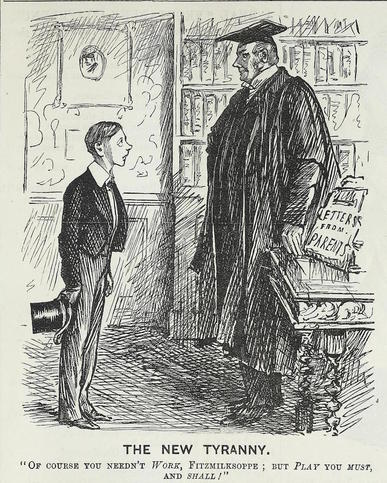
"Play Up, Play Up and Play the Game"
The Ancient Greeks knew sport mattered. Medieval knights too. Even the hardy Victorians recognized the power of sport; Victorian Britain introduced physical education in schools, invested in community sports facilities, and gave rise to modern sports and international competitions. Sports became so integral to the fabric of British life, that one Punch cartoonist was inspired thus: "Of course you needn't work, Fitzmilksoppe; but play you must, and shall!"
Britain and her international rivals recognized the powerful symbolism of sport. Sports were likened to war and sporting success demonstrated superiority over other nations. Young men proved themselves fit for battle by modeling courageous “masculinity” on the field of play and sport became so tied to national identity that behavior shown on the sports field represented our strength as individuals, and as nations.
Sir Henry Newbolt’s 1892 Vitae Lampada is one of the best examples of this connection, and likens the resolve of cricketers to the hardiness needed in war:
There's a breathless hush in the Close to-night --
Ten to make and the match to win --
A bumping pitch and a blinding light,
An hour to play and the last man in.
And it's not for the sake of a ribboned coat,
Or the selfish hope of a season's fame,
But his Captain's hand on his shoulder smote
"Play up! play up! and play the game!"
The sand of the desert is sodden red, --
Red with the wreck of a square that broke; --
The Gatling's jammed and the colonel dead,
And the regiment blind with dust and smoke.
The river of death has brimmed his banks,
And England's far, and Honour a name,
But the voice of schoolboy rallies the ranks,
"Play up! play up! and play the game!"
This is the word that year by year
While in her place the School is set
Every one of her sons must hear,
And none that hears it dare forget.
This they all with a joyful mind
Bear through life like a torch in flame,
And falling fling to the host behind --
"Play up! play up! and play the game!"
So, as young men battle through hardship, they are reminded of their experiences on the sports field. The lessons learned through sport help them to struggle on, and motivate them to rally for a cause.
And just as the Victorians extracted the power of sport to suit their needs, we must do the same today. We must re-imagine Vitae Lampada, using the power of sport to inspire a generation to rally for a cause - this time not for imperialist gain, but rather to surmount the challenges of 2016. To encourage healthy living, to promote a tolerant society, to cultivate compassionate and engaged citizens, to nurture authentic altruism. To unleash a true athlete spirit, that bears through life like a torch in flame, and which no-one dares to forget.
But how do we re-imagine Vitae Lampada? How do we create a new sporting spirit which provides meaningful life mantras as memorable as "Play up, play up and play the game"?
True Athlete Project's Answer
1) Embrace sport's moral dimension.
Who we are on the field of play is who we are, period. We must not shirk from the challenge of being moral, even in the midsts of battle, while we strain every nerve and sinew. The same goes for parents, coaches, and fans. We must call out the parent screaming at their child's referee, the PE teacher unbending to individual difference, and the supporter releasing their pent-up anger on a Saturday afternoon. They are corrupting sport and it's inexcusable. Sport belongs to all of us and when it is corrupted we lose the world's greatest uniting force.
The lifeblood of all our programs is the true athlete spirit - a spirit which recognizes sport as a tool for self-mastery, which sees the big picture, and which aims to give every single person a transcendent experience through sport. We advocate for an enjoyable, inspiring and meaningful approach to sport and we promote this approach through institutions like the Muhammad Ali Center, the United Nations, the American Psychological Association, schools, universities, and more. We partner with coaches and organizations who share our philosophy in order to create innovative programs that aim to change the world. Have an idea? Get in touch!
2) Develop coaches who care.
We need coaches who are mindful of every interaction with their athletes, and who are ready to teach life lessons over technique or tactics. We need athletes to receive meaningful experiences. Get the experience right, and a positive spiral of participation, enjoyment and improvement follows. Coaches create experiences.
We believe coaches are the people best placed in society to transform lives so we provide coach workshops, packed with take-aways, exercises and resources to promote this quality of experience for their athletes. We help coaches to unleash the true athlete spirit within each of their athletes. Coaches care deeply, and with our help can become even more skillful at changing the world through sport.
3) Make mindfulness a routine.
Most athletes wouldn't dream of neglecting a physical warm-up or cool-down, or skipping a set of sprints. But how many athletes commit to their mental skills training in the same, regimented way? Coaches must shift their emphasis toward the mental components of being an athlete. Emphasize determination, concentration, compassion, composure in the face of adversity, bravery, coachability, flexible thinking and problem solving. These are the qualities which, if developed, will help us to unleash sport's power into the world. Coincidentally these things also improve performance!
Unfortunately it is not as easy as simply telling athletes to be composed, determined, or concentrated. These attributes must be skillfully developed and we believe mindfulness is the perfect tool to help us do that.. Learning to control the breath, to calm the mind, and to be so rooted in the present moment that we naturally focus on the process rather than the outcome - this is the foundation of blossoming through sport.
We offer mindfulness for athletes classes, and a new curriculum for teams and schools called Mindfulness Sports Performance Enhancement, developed by our very own director of science and research, Dr. Keith Kaufman, and his colleagues, Dr. Carol Glass and Dr. Tim Pineau of Catholic University of America.
4) Create safe spaces for expression.
Sport is a physical, emotional and spiritual act. When we try our hardest, we are vulnerable, we shed our layers and expose our true spirit, allowing growth to take place. This is how sport becomes transformational. We lose ourselves, our thoughts and our worries, and we become one with the present moment. This expressive, emotional act should be nurtured and respected as such.
We must create an environment where individuals can experience the richness of being an athlete. We help teams and schools to create this environment, and we provide transformational retreats for all athletes and coaches, no matter their ability. During these retreats, we mix physical training with meditations, creative expression, fellowship and delicious nutrition! A wholesome experience to develop wholesome athletes. Contact our director of retreats and sustainability, Vanessa Chakour, for more information.
5) Encourage mentorship.
The experience of sport must gift an enduring spirit and lifelong lessons to its players. Lessons are never remembered better than when taught by someone we admire. Lonnie Ali said, “Mentors are gifts to the world. They encourage, motivate, reinforce, and guide others to reach individual greatness.” The Muhammad Ali Center says, “From apprenticeships to elder circles, intentional relationships have always been important in generational knowledge transfer for a society."
Our mentoring program gives elite athletes an opportunity to "give back" and helps aspiring athletes by providing a support network, an individualized plan of action, and an inspirational friendship for life. Reach out to our athlete mentoring and individualized training director, Pam Boteler, if you wish to be a mentor or mentee, or know someone who would!
Follow these steps and we can unleash a true athlete spirit out into the world. Follow these steps and we can inspire a generation to rally for a cause, using the lessons from sport to promote a better world.
And maybe one day, with a marathon effort, the Olympic Games will become a true reflection of sport and society, not a happy diversion from its actual condition.
Or, as Robin Williams narrated for the International Olympic Committee's Celebrate Humanity campaign in 2000:
They gather together, thousands and thousands and thousands still more,
For 16 straight days the stadiums roar,
They line all the fields, They polish the courts,
A rainbow of colors, Together for sport,
They sprint, they jostle, they jump. they shout,
They sometimes get hostile but they work it all out,
They smile, they laugh, they learn life’s lessons,
They respect one another regardless of weapons,
The big and the small together seem awkward,
But amazingly enough they push the world forwards,
And when it’s all over it’s as good as it gets,
A lifetime of memories with zero regrets,
Then they pack up the balls and roll up the mats,
Put on their best suits and the finest of hats,
They all wave goodbye,
They hug and they kiss,
And you think Maybe, just maybe, it can all be like this.
The Ancient Greeks knew sport mattered. Medieval knights too. Even the hardy Victorians recognized the power of sport; Victorian Britain introduced physical education in schools, invested in community sports facilities, and gave rise to modern sports and international competitions. Sports became so integral to the fabric of British life, that one Punch cartoonist was inspired thus: "Of course you needn't work, Fitzmilksoppe; but play you must, and shall!"
Britain and her international rivals recognized the powerful symbolism of sport. Sports were likened to war and sporting success demonstrated superiority over other nations. Young men proved themselves fit for battle by modeling courageous “masculinity” on the field of play and sport became so tied to national identity that behavior shown on the sports field represented our strength as individuals, and as nations.
Sir Henry Newbolt’s 1892 Vitae Lampada is one of the best examples of this connection, and likens the resolve of cricketers to the hardiness needed in war:
There's a breathless hush in the Close to-night --
Ten to make and the match to win --
A bumping pitch and a blinding light,
An hour to play and the last man in.
And it's not for the sake of a ribboned coat,
Or the selfish hope of a season's fame,
But his Captain's hand on his shoulder smote
"Play up! play up! and play the game!"
The sand of the desert is sodden red, --
Red with the wreck of a square that broke; --
The Gatling's jammed and the colonel dead,
And the regiment blind with dust and smoke.
The river of death has brimmed his banks,
And England's far, and Honour a name,
But the voice of schoolboy rallies the ranks,
"Play up! play up! and play the game!"
This is the word that year by year
While in her place the School is set
Every one of her sons must hear,
And none that hears it dare forget.
This they all with a joyful mind
Bear through life like a torch in flame,
And falling fling to the host behind --
"Play up! play up! and play the game!"
So, as young men battle through hardship, they are reminded of their experiences on the sports field. The lessons learned through sport help them to struggle on, and motivate them to rally for a cause.
And just as the Victorians extracted the power of sport to suit their needs, we must do the same today. We must re-imagine Vitae Lampada, using the power of sport to inspire a generation to rally for a cause - this time not for imperialist gain, but rather to surmount the challenges of 2016. To encourage healthy living, to promote a tolerant society, to cultivate compassionate and engaged citizens, to nurture authentic altruism. To unleash a true athlete spirit, that bears through life like a torch in flame, and which no-one dares to forget.
But how do we re-imagine Vitae Lampada? How do we create a new sporting spirit which provides meaningful life mantras as memorable as "Play up, play up and play the game"?
True Athlete Project's Answer
1) Embrace sport's moral dimension.
Who we are on the field of play is who we are, period. We must not shirk from the challenge of being moral, even in the midsts of battle, while we strain every nerve and sinew. The same goes for parents, coaches, and fans. We must call out the parent screaming at their child's referee, the PE teacher unbending to individual difference, and the supporter releasing their pent-up anger on a Saturday afternoon. They are corrupting sport and it's inexcusable. Sport belongs to all of us and when it is corrupted we lose the world's greatest uniting force.
The lifeblood of all our programs is the true athlete spirit - a spirit which recognizes sport as a tool for self-mastery, which sees the big picture, and which aims to give every single person a transcendent experience through sport. We advocate for an enjoyable, inspiring and meaningful approach to sport and we promote this approach through institutions like the Muhammad Ali Center, the United Nations, the American Psychological Association, schools, universities, and more. We partner with coaches and organizations who share our philosophy in order to create innovative programs that aim to change the world. Have an idea? Get in touch!
2) Develop coaches who care.
We need coaches who are mindful of every interaction with their athletes, and who are ready to teach life lessons over technique or tactics. We need athletes to receive meaningful experiences. Get the experience right, and a positive spiral of participation, enjoyment and improvement follows. Coaches create experiences.
We believe coaches are the people best placed in society to transform lives so we provide coach workshops, packed with take-aways, exercises and resources to promote this quality of experience for their athletes. We help coaches to unleash the true athlete spirit within each of their athletes. Coaches care deeply, and with our help can become even more skillful at changing the world through sport.
3) Make mindfulness a routine.
Most athletes wouldn't dream of neglecting a physical warm-up or cool-down, or skipping a set of sprints. But how many athletes commit to their mental skills training in the same, regimented way? Coaches must shift their emphasis toward the mental components of being an athlete. Emphasize determination, concentration, compassion, composure in the face of adversity, bravery, coachability, flexible thinking and problem solving. These are the qualities which, if developed, will help us to unleash sport's power into the world. Coincidentally these things also improve performance!
Unfortunately it is not as easy as simply telling athletes to be composed, determined, or concentrated. These attributes must be skillfully developed and we believe mindfulness is the perfect tool to help us do that.. Learning to control the breath, to calm the mind, and to be so rooted in the present moment that we naturally focus on the process rather than the outcome - this is the foundation of blossoming through sport.
We offer mindfulness for athletes classes, and a new curriculum for teams and schools called Mindfulness Sports Performance Enhancement, developed by our very own director of science and research, Dr. Keith Kaufman, and his colleagues, Dr. Carol Glass and Dr. Tim Pineau of Catholic University of America.
4) Create safe spaces for expression.
Sport is a physical, emotional and spiritual act. When we try our hardest, we are vulnerable, we shed our layers and expose our true spirit, allowing growth to take place. This is how sport becomes transformational. We lose ourselves, our thoughts and our worries, and we become one with the present moment. This expressive, emotional act should be nurtured and respected as such.
We must create an environment where individuals can experience the richness of being an athlete. We help teams and schools to create this environment, and we provide transformational retreats for all athletes and coaches, no matter their ability. During these retreats, we mix physical training with meditations, creative expression, fellowship and delicious nutrition! A wholesome experience to develop wholesome athletes. Contact our director of retreats and sustainability, Vanessa Chakour, for more information.
5) Encourage mentorship.
The experience of sport must gift an enduring spirit and lifelong lessons to its players. Lessons are never remembered better than when taught by someone we admire. Lonnie Ali said, “Mentors are gifts to the world. They encourage, motivate, reinforce, and guide others to reach individual greatness.” The Muhammad Ali Center says, “From apprenticeships to elder circles, intentional relationships have always been important in generational knowledge transfer for a society."
Our mentoring program gives elite athletes an opportunity to "give back" and helps aspiring athletes by providing a support network, an individualized plan of action, and an inspirational friendship for life. Reach out to our athlete mentoring and individualized training director, Pam Boteler, if you wish to be a mentor or mentee, or know someone who would!
Follow these steps and we can unleash a true athlete spirit out into the world. Follow these steps and we can inspire a generation to rally for a cause, using the lessons from sport to promote a better world.
And maybe one day, with a marathon effort, the Olympic Games will become a true reflection of sport and society, not a happy diversion from its actual condition.
Or, as Robin Williams narrated for the International Olympic Committee's Celebrate Humanity campaign in 2000:
They gather together, thousands and thousands and thousands still more,
For 16 straight days the stadiums roar,
They line all the fields, They polish the courts,
A rainbow of colors, Together for sport,
They sprint, they jostle, they jump. they shout,
They sometimes get hostile but they work it all out,
They smile, they laugh, they learn life’s lessons,
They respect one another regardless of weapons,
The big and the small together seem awkward,
But amazingly enough they push the world forwards,
And when it’s all over it’s as good as it gets,
A lifetime of memories with zero regrets,
Then they pack up the balls and roll up the mats,
Put on their best suits and the finest of hats,
They all wave goodbye,
They hug and they kiss,
And you think Maybe, just maybe, it can all be like this.
Sam Parfitt - True Athlete Project Founder & CEO
P.S. As a non-profit organization, we can only change lives with a little bit of help, and every little bit of help is so greatly appreciated. We would be wonderfully grateful if you would consider a tax-exempt donation today and help us move closer to our fundraising target.
P.S. As a non-profit organization, we can only change lives with a little bit of help, and every little bit of help is so greatly appreciated. We would be wonderfully grateful if you would consider a tax-exempt donation today and help us move closer to our fundraising target.
Author
Insightful contributions by our expert team and guest contributors!
Archives
July 2020
April 2020
September 2018
August 2018
July 2018
April 2017
March 2017
December 2016
November 2016
October 2016
September 2016
August 2016
 RSS Feed